
Dungan Mosque, Karakol: History, Photos, and Visiting Hours. Unique Wooden Architecture.
Visit Karakol’s main landmark—the Dungan Mosque. Built in 1910 without a single nail in the style of a Chinese pagoda, it is a symbol of Kyrgyzstan’s cultural diversity.
Introduction
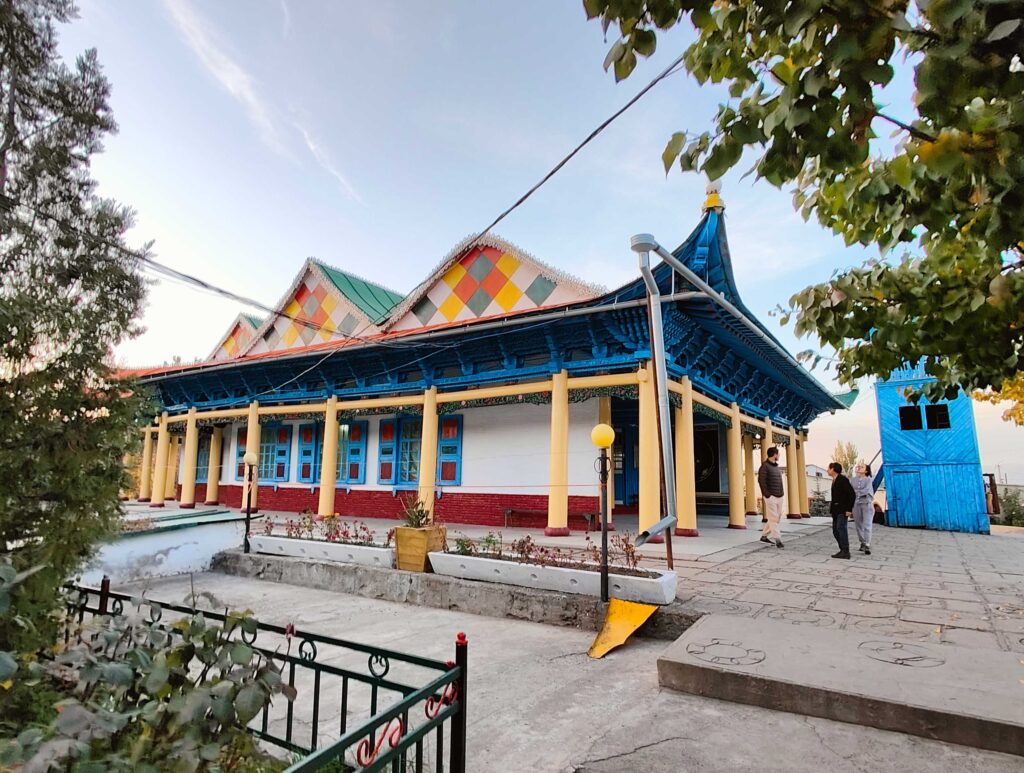
In the center of the city of Karakol stands a building that is easily mistaken for a Buddhist temple. With its curved roof, dragons on the cornices, and bright colors, it is a striking sight. Yet, this is an active Muslim mosque, a unique architectural monument with no analogues in Central Asia. For us, the tour organizers, this is a mandatory stop on any itinerary through the Issyk-Kul region.
History of Creation: The Journey Across the Mountains
The mosque was built by the Dungan community (Chinese Muslims) who fled persecution and sought refuge in the Russian Empire in the late 19th century. The famous Beijing architect Zhou-Si was invited to oversee the project. Construction took place from 1907 to 1910, with materials (Tian Shan spruce) prepared over several years.
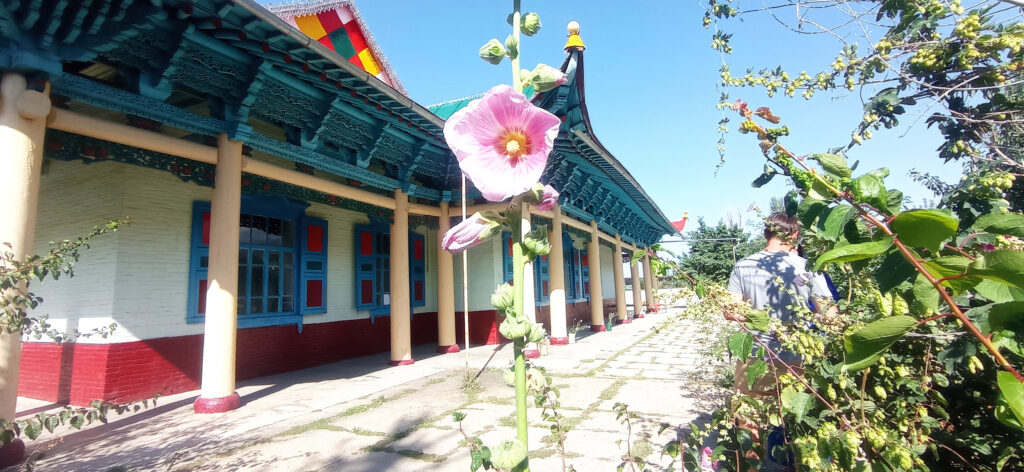
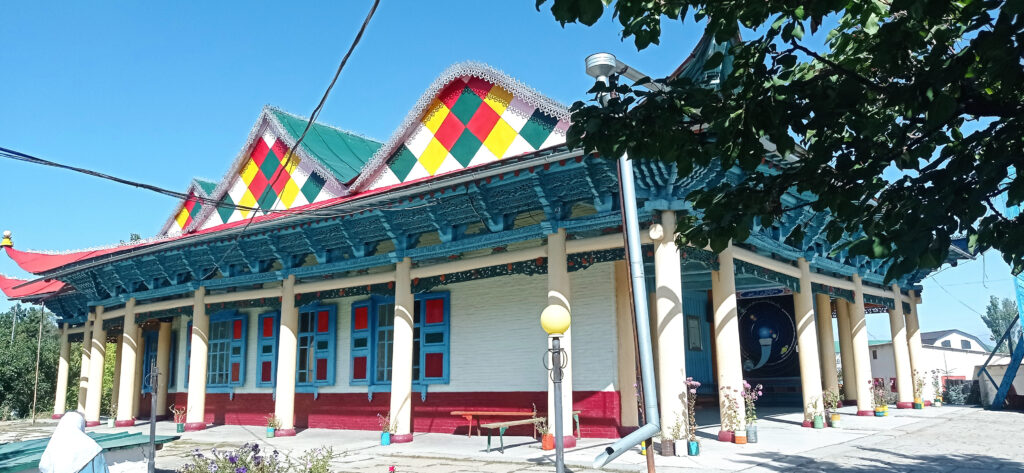
Architectural Phenomenon
Why is this mosque so famous?
- Nail-Free Construction: The system of wooden joints is engineered so that the beams support each other without the use of metal nails.
- Single-Tiered Roof: Despite its complex appearance, the mosque features a single-tiered roof with gracefully curved corners, characteristic of the Chinese architectural style.
- Decor and Abundance: The mosque’s architecture features a surprising blend of Islamic and Chinese traditions. The ornaments heavily utilize carvings of pomegranate fruits and grapes, symbolizing abundance and prosperity. Additionally, decorative images of dragons, serving as guardians, are prominently placed on every corner of the roof.
Advice for Tourists
- Dress Code: This is an active religious site. Women are advised to cover their heads and shoulders (coverings are provided at the entrance), and men should not enter wearing shorts.
- Best Time to Visit: Early morning hours or before sunset, when the soft light emphasizes the detailed wood carvings.
Conclusion
The Dungan Mosque is a living testament to the tolerance and cultural synthesis found along the Great Silk Road. To witness it firsthand is to connect with history.