
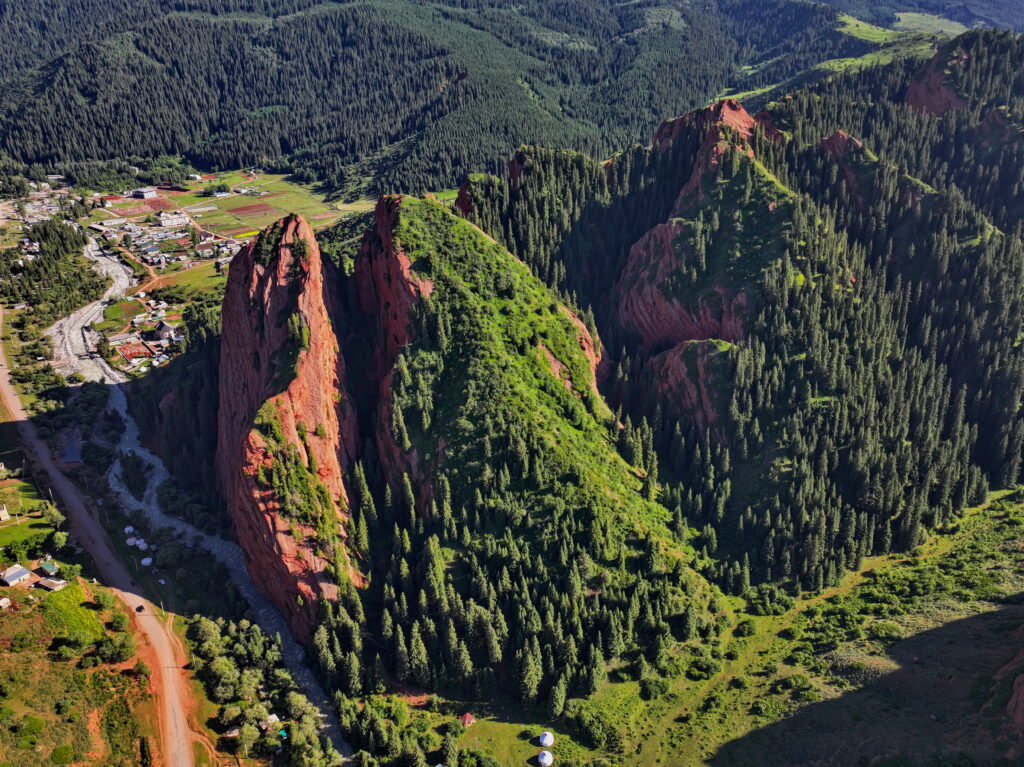
An honest look at travel safety in Kyrgyzstan. Learn about local laws, mountain trekking risks, and tips for solo travelers from industry experts.
Is Kyrgyzstan Safe for Tourists? A Professional Insight for 2026
Kyrgyzstan has rapidly transformed into a top-tier destination for adventure seekers and cultural explorers. However, for many international travelers, Central Asia remains a “blank spot” on the map, leading to valid questions about safety. Based on current data and years of boots-on-the-ground experience, here is the definitive guide to staying safe in the Land of the Celestial Mountains.
Current Political and Social Climate
As of 2026, Kyrgyzstan remains a stable and welcoming country for foreign visitors. Tourism is a key priority for the national economy, meaning that local authorities and citizens alike are highly invested in ensuring guests feel secure. While the country has seen political shifts in the past, these are almost exclusively internal matters that do not target or affect tourists.
Expert Advice: As in any democracy, spontaneous demonstrations can occur in the capital, Bishkek. The rule of thumb for travelers is simple: avoid large political gatherings and stay informed through your tour operator or embassy.
Personal Safety and Crime Rates
Kyrgyzstan is generally safer than many major Western European or North American cities. Violent crime against tourists is statistically extremely low.
The primary concern is petty theft—specifically pickpocketing in high-traffic areas such as the Osh Bazaar in Bishkek or on crowded marshrutkas (public minibuses). To mitigate this, use a money belt for your passport and large sums of cash, and keep your phone in a secure pocket.
Solo and Female Travel
Is it safe to travel solo? Yes. In fact, Kyrgyzstan is one of the most accessible “Stan” countries for solo adventurers.
For women, Kyrgyzstan is a secular state where women hold roles in all levels of society. While the culture is generally respectful, rural areas remain traditional. We recommend dressing modestly (covering shoulders and knees) when visiting villages or religious sites to respect local customs and avoid unwanted attention.
The Real Risk: Nature and Infrastructure
When we discuss safety in Kyrgyzstan, the conversation should shift from “crime” to “environment.” The most significant risks are related to the rugged terrain and infrastructure.
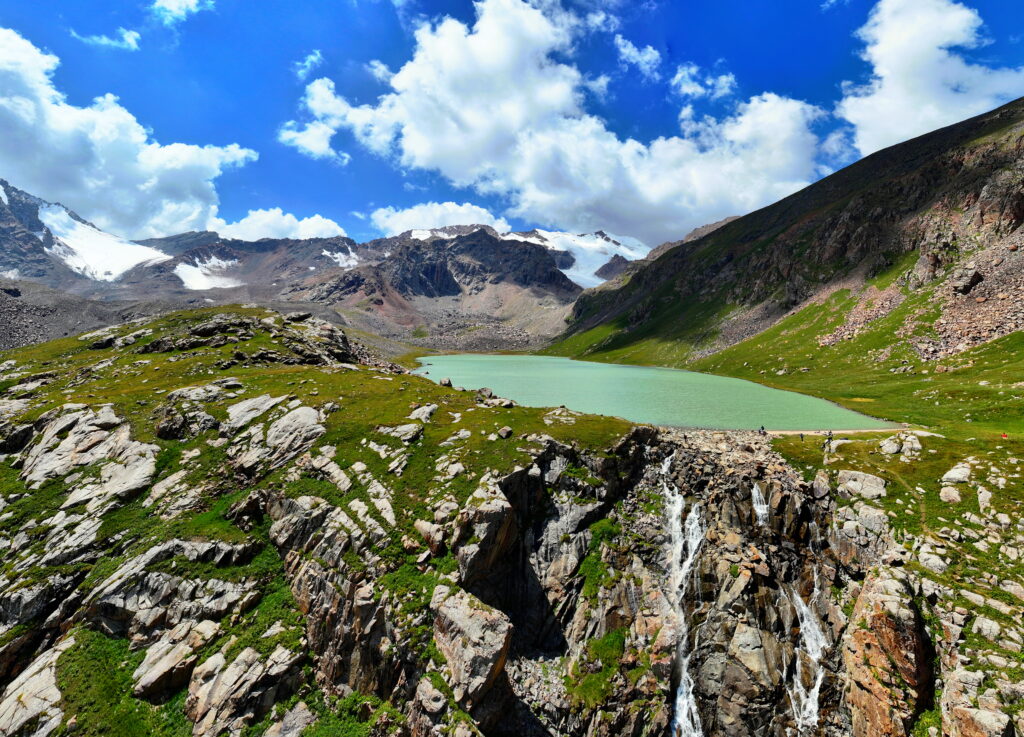
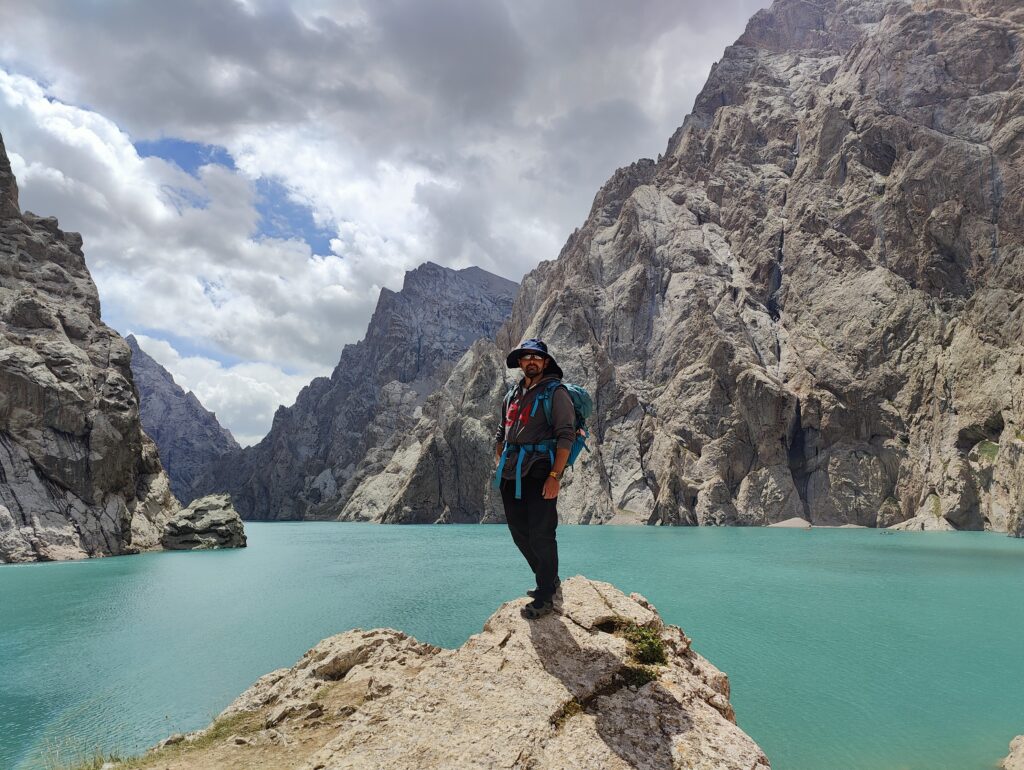
- Mountain Safety: Most tourist activities involve high-altitude trekking. Weather in the Tian Shan can shift from sun to a blizzard in minutes, even in July. Never trek alone, always carry a GPS device, and ensure you have specialized travel insurance that covers search and rescue at altitudes above $3,000$ meters.
- Road Conditions: Road safety is a valid concern. High-mountain passes are beautiful but can be dangerous due to rockfalls or local driving habits. We strongly recommend hiring professional drivers with 4WD vehicles rather than attempting to self-drive or using informal shared taxis for long distances.
- Health and Hygiene: Tap water is not potable in most regions. Always drink bottled or boiled water. While Kyrgyz hospitality often involves “Kymyz” (fermented horse milk) and hearty meat dishes, travelers should introduce these to their diet gradually to avoid digestive upset.
Border Areas and Documentation
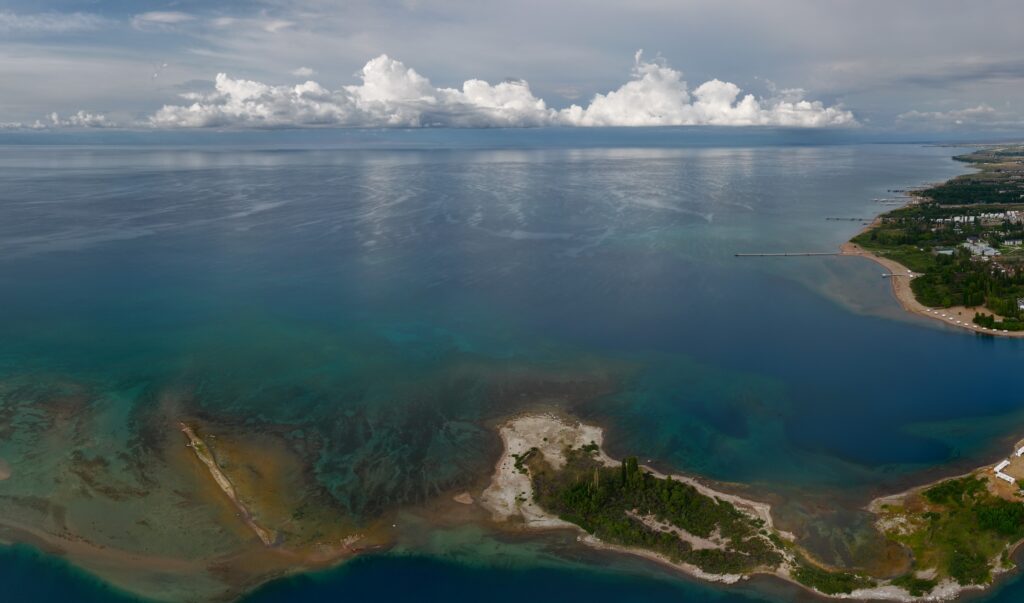
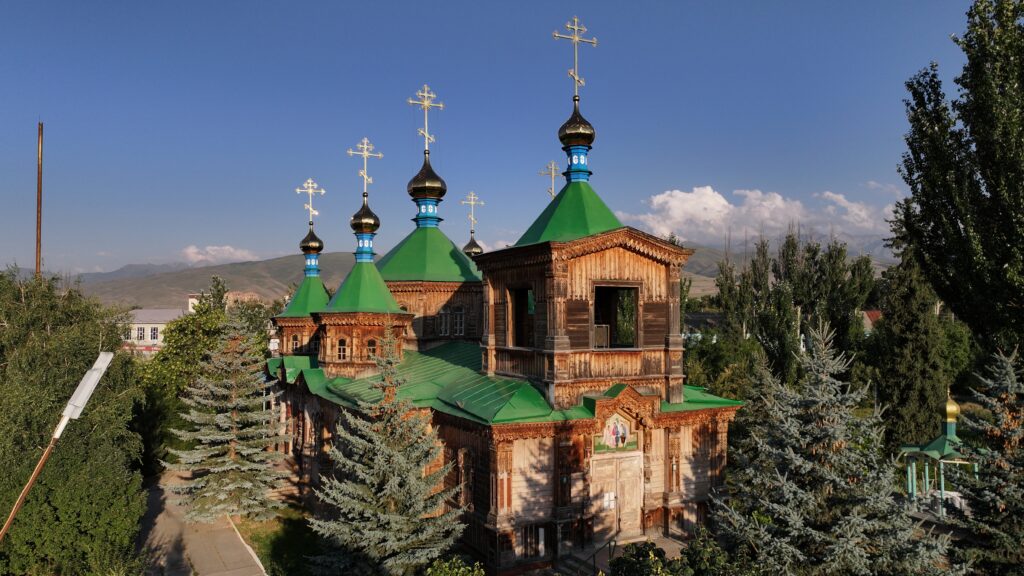
While 95% of the country is perfectly safe, certain border regions—specifically in the Fergana Valley near Tajikistan—can occasionally experience localized tensions. Stick to established tourist circuits like Issyk-Kul, Son-Kul, and Karakol, which are hundreds of kilometers away from any sensitive zones.
Always carry a copy of your passport and your e-visa (if required) with you. Local police have the right to ask for identification, though this is becoming less common for tourists in recent years.
Final Expert Verdict
Kyrgyzstan is a remarkably safe destination that rewards the curious traveler with unparalleled landscapes and genuine nomadic hospitality. By exercising the same level of caution you would in any international destination—and respecting the power of the mountains—you will find your trip to be both secure and life-changing.