
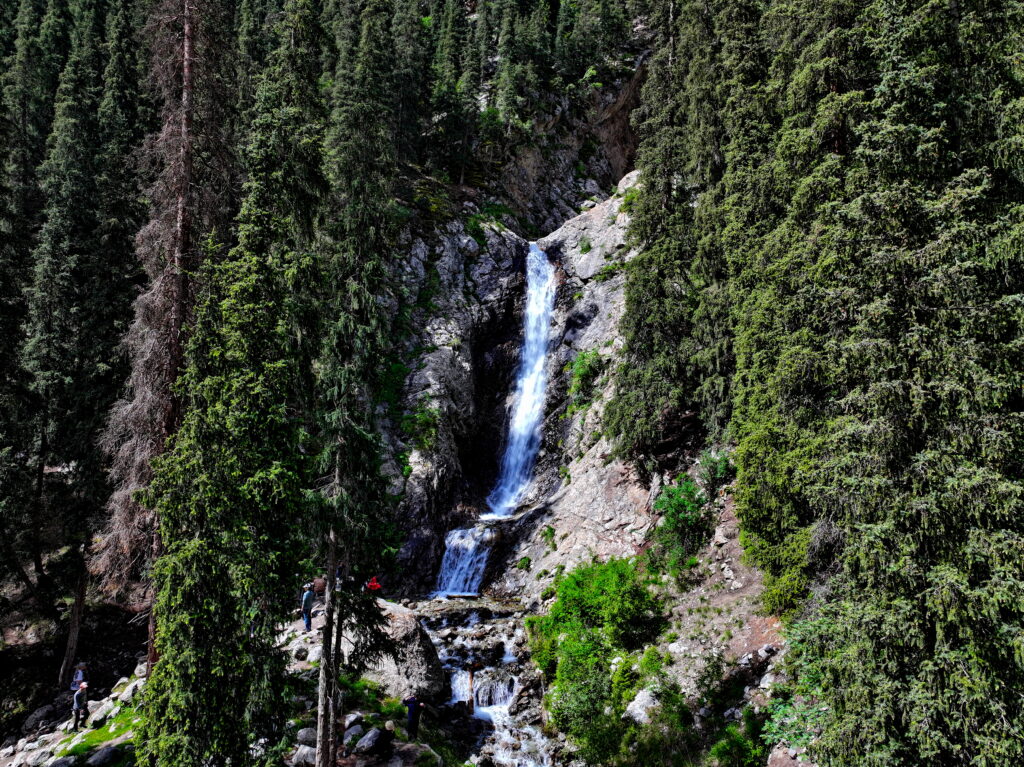
Kyrgyzstan tour cost 2026
Planning a journey to the “Switzerland of Central Asia” is an exciting venture. Kyrgyzstan remains one of the world’s last frontiers for authentic adventure, offering high-altitude lakes, nomadic culture, and the rugged peaks of the Tian Shan. However, because it is not a mass-tourism destination, many travelers find it difficult to estimate the real costs.
In this comprehensive guide, we break down every aspect of a Kyrgyzstan travel budget—from the price of a cup of mountain tea to the cost of a full-scale 4×4 expedition. Whether you are a solo backpacker or looking for a premium guided experience, this data will help you plan your 2026 adventure with precision.
1. The General Cost Landscape in Kyrgyzstan
Kyrgyzstan is known for its excellent value for money. While it is more expensive than parts of Southeast Asia due to the logistical challenges of mountain travel, it remains significantly more affordable than Europe or North America.
The cost of your trip will be dictated by one primary factor: Logistics. In a country where the best sights are hidden behind 3,000-meter mountain passes and reachable only by gravel roads or horse trails, transportation and professional guidance make up the bulk of your budget.
Estimated Daily Budgets for 2026:
- The Budget Nomad (Backpacker): $45–$60 per day.
- The Flashpacker (Mid-range comfort): $100–$140 per day.
- The Expedition Seeker (Private tours & 4×4): $200–$300+ per day.
2. Accommodation: From High-Rise Hotels to Felt Yurts Where you sleep in Kyrgyzstan is more than just a bed; it is often a cultural experience.
City Hotels (Bishkek, Osh, Karakol)
In major hubs like Bishkek, you have a full range of options. A bed in a high-quality hostel costs between $15 and $20. For a mid-range boutique hotel with breakfast, expect to pay $50 to $80 per night. If you require international luxury brands, prices start at $150.
Guesthouses and Homestays
In rural areas like Arslanbob or Kochkor, the “CBT” (Community Based Tourism) network provides homestays. These are a staple for travelers. A night in a local home, including a hearty breakfast and dinner, typically costs $25 to $35 per person. This is not only affordable but is the best way to experience Kyrgyz hospitality.
Yurt Stays: The Iconic Experience
Staying in a traditional yurt is a must-do. In popular spots like Son-Kul Lake or Tash Rabat, a stay in a yurt camp (including half-board meals) costs approximately $35 to $50 per person. Premium “glamping” yurts with en-suite bathrooms and heaters can reach $100–$150 per night.
3. Transportation: Navigating the Tian Shan Transportation is where most travelers underestimate their budget. Kyrgyzstan’s terrain is 94% mountainous, meaning standard cars are often insufficient.
Public Transport (Marshrutkas)
The humble marshrutka (minibus) is the cheapest way to travel between cities. A 6-hour ride from Bishkek to Karakol costs about $8–$10. It’s efficient but doesn’t stop for photos and won’t take you to the trailheads.
Shared Taxis
A step up from the bus, shared taxis depart when full. A seat from the capital to the shores of Issyk-Kul costs roughly $12–$18.
Private 4×4 Rental and Drivers
To reach the truly spectacular locations—like the Kel-Suu Lake or the Turkestan Range—you need a high-clearance 4×4 vehicle.
- Hiring a 4×4 with a professional driver-guide: This costs between $130 and $180 per day. This price usually covers the driver’s meals and accommodation, fuel, and the vehicle itself.
- Self-drive rentals: Renting a rugged SUV (like a Toyota Sequoia or Land Cruiser) starts at $100–$150 per day, excluding fuel and insurance.
4. Food and Dining: The Price of Kyrgyz Flavors
Food in Kyrgyzstan is organic, meat-heavy, and very affordable.
- Local Cafes (Stolovaya/Chaikhana): A filling meal of lagman (hand-pulled noodles) or plov (rice and meat) costs $7–$9.
- City Restaurants: In Bishkek, a three-course dinner at a high-end restaurant with drinks will cost around $30–$45.
- Mountain Supplies: If you are trekking, buying supplies at a local bazaar is incredibly cheap. Fresh bread (lepeshka), local cheese (kurut), and honey for a week-long trek might only cost you $40.
5. Specialized Tour Costs: Trekking and Horseback Riding
Most visitors come for active tourism. These activities require specialized staff and livestock, which adds to the daily cost.
Horseback Riding Expeditions
Horse riding is the soul of Kyrgyzstan. Hiring a horse and a horseman (at-bakych) is essential for safety in the mountains.
- Horse rental: $25–$35 per day.
- Horseman/Guide: $35–$60 per day (one horseman can usually manage 3-4 riders). A fully inclusive 3-day horse trek to Son-Kul typically costs between $450 and $550 per person depending on the group size.
Trekking and Mountaineering
If you are heading into the high altitudes of the Karakol region or the Tien Shan peaks:
- Professional Mountain Guide: $150–$200 per day.
- Porters: $40–$55 per day (carrying up to 15-20kg).
- Cooks: $50–$65 per day for expeditions.
6. Visas, Permits, and Administrative Fees Kyrgyzstan is the most open country in Central Asia, but there are still costs to consider.
- Visas: Many nations (EU, USA, Canada, etc.) enjoy visa-free entry. For those who need an E-Visa, the cost is approximately $50.
- Border Zone Permits: If you plan to visit areas near the Chinese border (like Kel-Suu or the Engilchek Glacier), you need a special permit. These take 2-4 weeks to process and cost about $30–$50 per person.
- National Park Fees: Entry fees for parks like Ala-Archa or Skazka Canyon are nominal, usually between $2 and $5-10.
7. Logistics of a 12-Day “Five Lakes” Expedition
To give you a concrete example, let’s look at the costs for a premier itinerary like a 12-day trek and horse expedition through the Five Lakes of Tian Shan.
For a high-quality, organized tour, you should expect to pay between $1,600 and $2,200 per person. This price reflects the complexity of the logistics: moving camp every day, employing horse-caravan teams, providing high-quality mountain gear, and ensuring a professional translator/guide is present to bridge the gap between you and the nomadic herders.
8. Seasonal Price Fluctuations
High Season (July – August): Prices for guesthouses and yurt camps are at their peak. It is essential to book 4×4 vehicles months in advance, as the demand often exceeds the supply of reliable cars.
Shoulder Season (June and September): A great time to save about 10-15% on accommodation. However, some high mountain passes may still be closed by snow.
Winter (December – March): Kyrgyzstan is becoming a hub for “free-ride” skiing in Karakol. Ski passes cost around $20–$25 per day, and specialized backcountry yurt stays for skiers cost about $80–$110 per night including snowcat or horse-assisted lifts.
9. Hidden Costs and Tipping Etiquette
When calculating your budget, don’t forget:
- Travel Insurance: Ensure it covers “High Altitude Trekking” up to 4,000m. This is vital.
- Gear Rental: If you don’t bring your own, renting a quality tent, sleeping bag, and stove will cost about $15–$20 per day.
- Tipping: While not mandatory, it is culturally expected for guides and drivers. A common rule is $10–$15 per day per person for the guide and $5–$10 for the driver, shared by the group.
Conclusion: Is Kyrgyzstan Worth the Cost?
In 2026, Kyrgyzstan remains one of the few places where your travel dollar goes toward supporting local communities and preserving nomadic traditions rather than corporate hotel chains.
The “cost” of a tour here is truly an investment in safety and access. While you can travel for $70 a day, spending more on a professional organizer allows you to cross the 4,000-meter passes safely, communicate with the shepherds you meet, and reach the pristine lakes that don’t appear on standard maps.
Ready to start planning your expedition? The mountains are calling, and the hospitality of the Kyrgyz people is ready to welcome you.