

As a leading expert in tourism across Kyrgyzstan, I consider Karakol (formerly Przhevalsk) the cornerstone of any adventure or cultural-historical itinerary in the Issyk-Kul region. This city, located on the eastern shore of the great lake, is the perfect combination of Imperial history, unique architecture, and direct access to the highest and most picturesque mountains of the Central Tian Shan.
📜 1. History at the Crossroads: From Verny to Przhevalsk
Karakol’s history is inextricably linked to the Russian Empire and the Great Geographical Discoveries of the 19th century.
- Foundation: The city was founded in 1869 as a military and administrative center on the eastern tip of Issyk-Kul.
- Przhevalsky’s Legacy: From 1889 to 1922, the city bore the name of the great Russian explorer Nikolai Przhevalsky, who requested to be buried on the shores of Issyk-Kul.
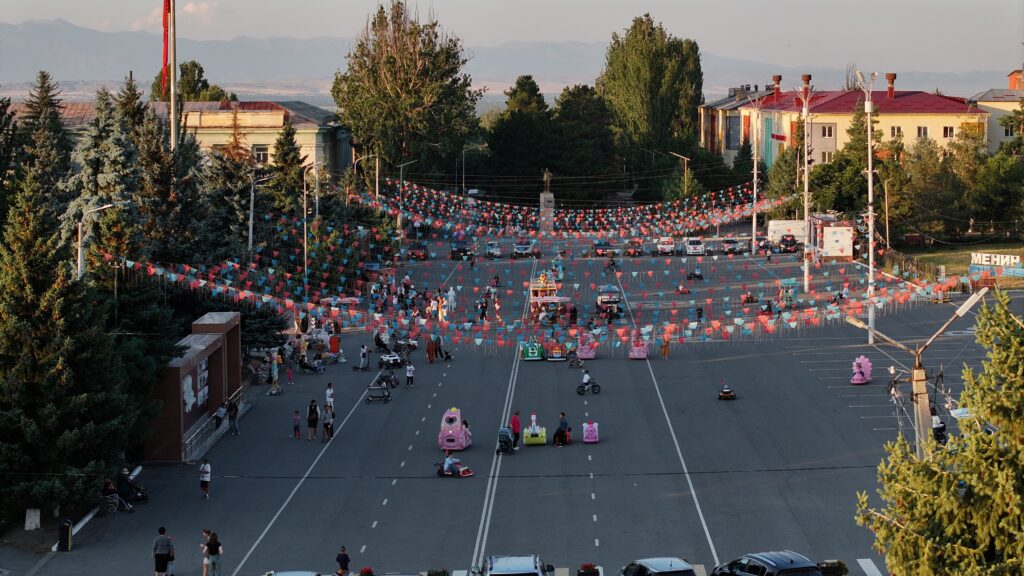
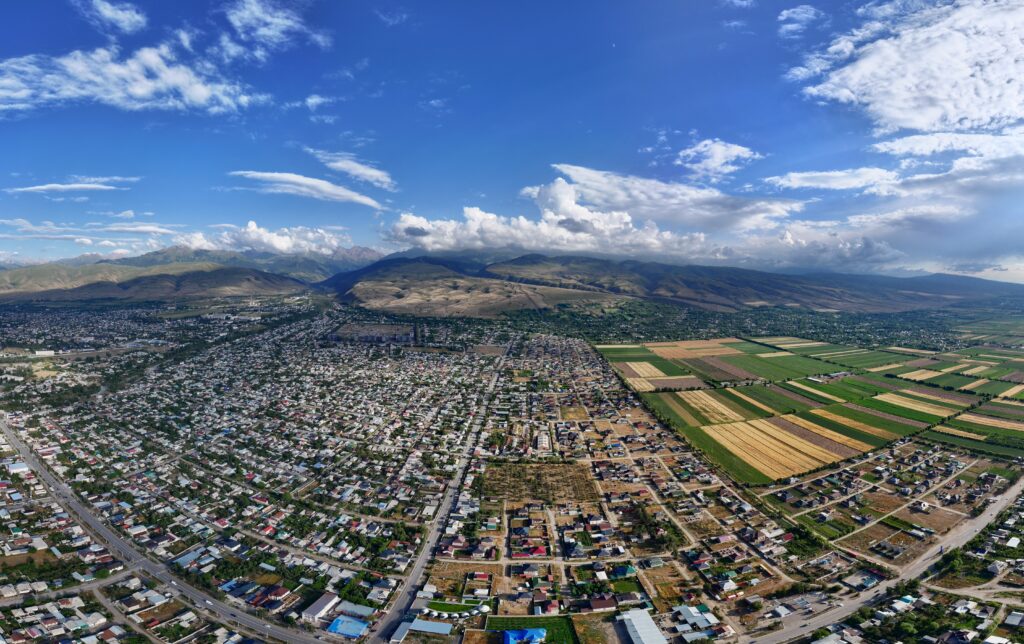
- Architectural Code: Unlike other regional cities, Karakol has preserved a unique layout and development: streets are strictly perpendicular, and the historical center is primarily built with wooden mansions (which have survived to this day due to wood’s seismic resistance).
Interesting Fact: Nikolai Przhevalsky, the famous explorer of Central Asia, is buried 10 km from Karakol (in the village of Pristan-Przhevalsk). Today, his memorial museum complex is a popular tourist destination.
2. Cultural Heritage: Architectural Gems
Karakol harmoniously blends Russian Orthodoxy, Islam, and the unique culture of the Dungan people.
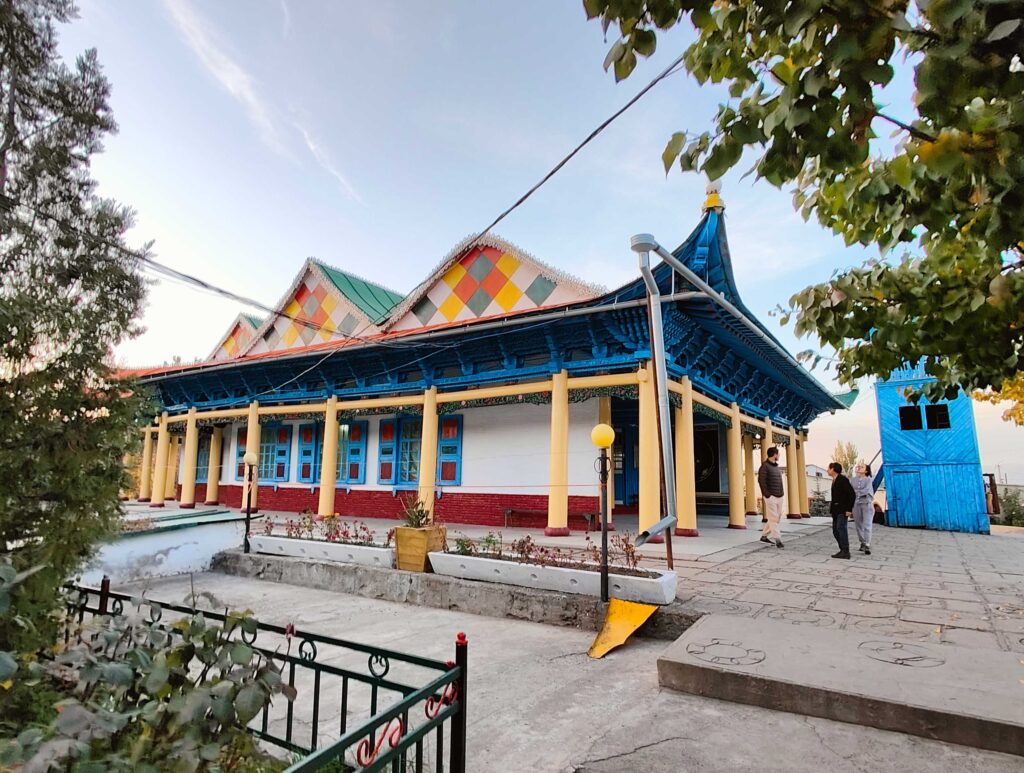

- Dungan Mosque (1907-1910): This architectural marvel is one of the city’s symbols. The mosque was built without a single nail (using traditional Chinese technology) by Dungan masters in the style of a Buddhist temple. Its vibrant colors and complex wooden carvings leave a lasting impression.
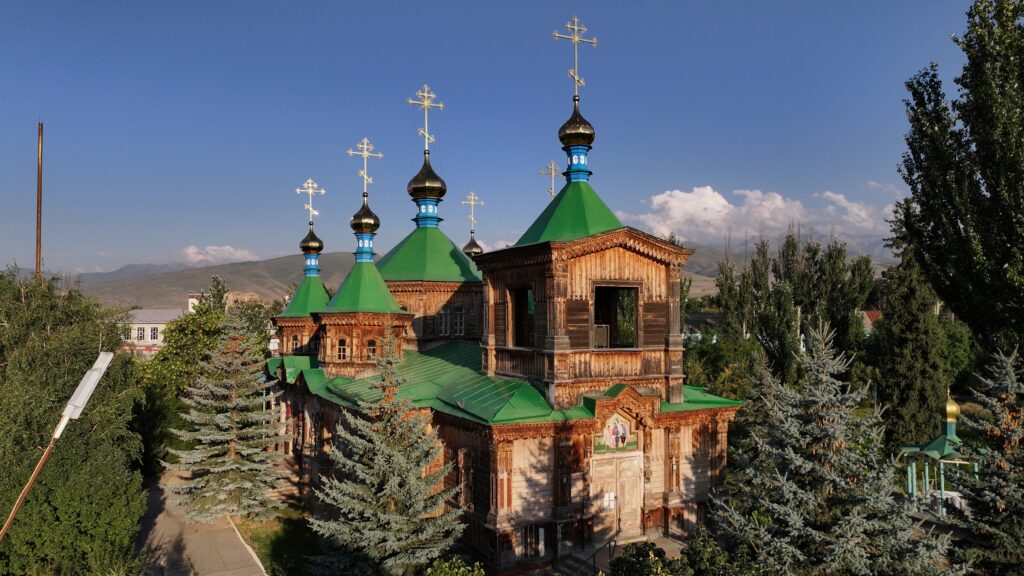
- Holy Trinity Cathedral (1895): A monumental five-domed cathedral built entirely of wood. A vivid example of 19th-century Orthodox architecture that has withstood numerous earthquakes.
3. Karakol — The Capital of Extreme Adventure and Trekking
Karakol’s primary value for tourists is its function as the “Gateway to the Tian Shan.”
- Mountaineering Center: Karakol serves as the starting point for expeditions to the region’s legendary peaks: Pik Pobedy (7,439 m) and Khan Tengri (7,010 m).
- Trekking: The most popular and picturesque multi-day mountain routes start here:
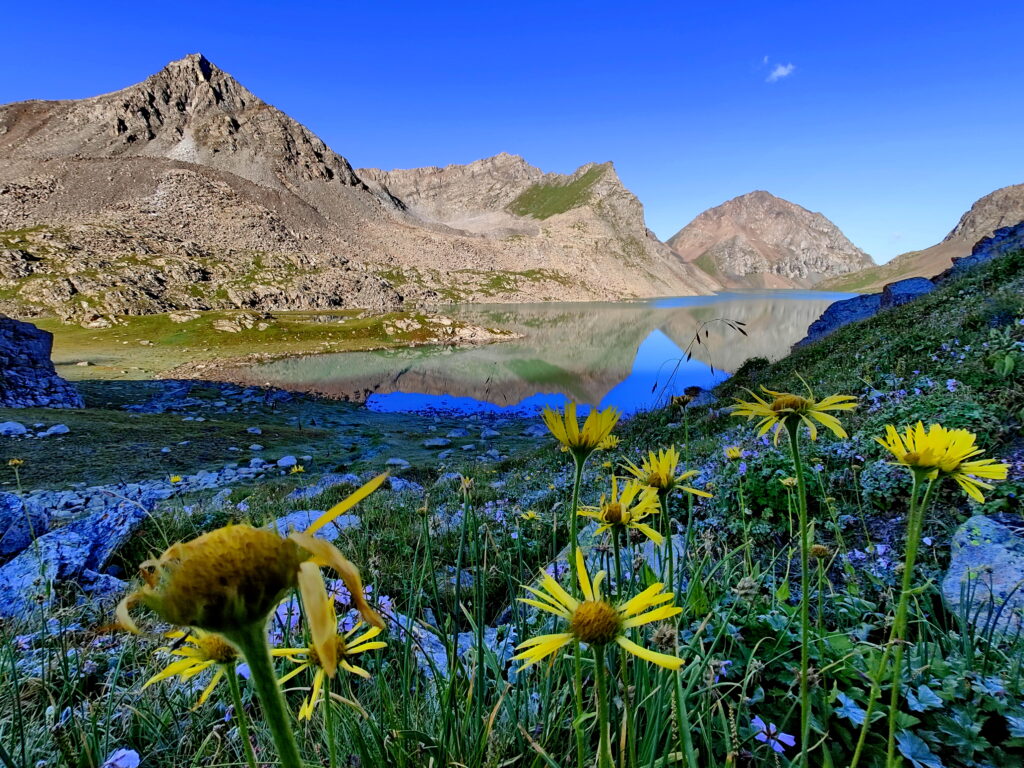
- Ala-Kul: The route to the high-altitude Ala-Kul Lake (3,532 m) with its incredible turquoise color.
- Ak-Suu: The area famous for its natural hot springs.
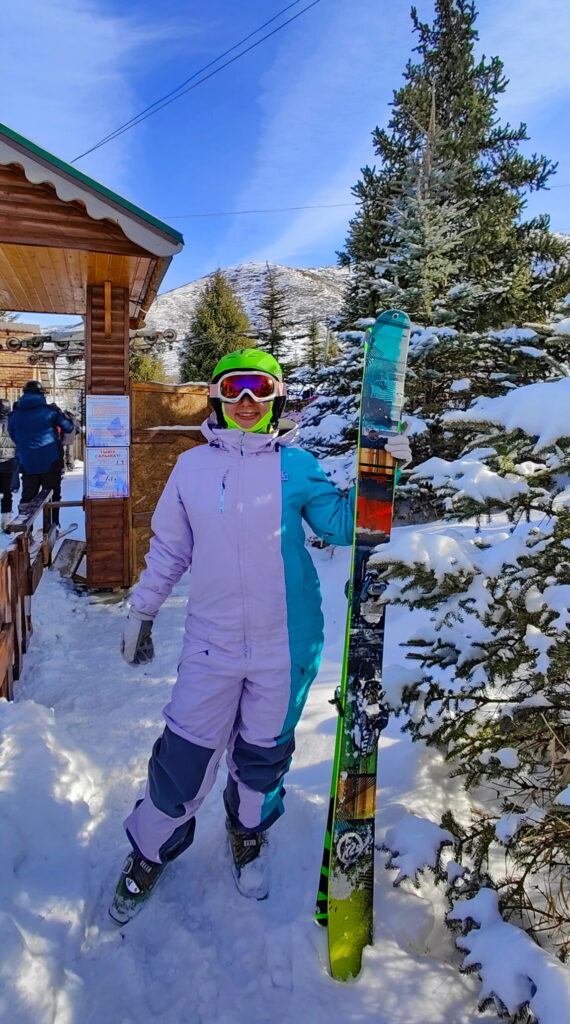
- Karakol Ski Resort: In winter, the city transforms into a ski vacation hub. The resort attracts tourists with its powder snow and long slopes that offer panoramic views of Issyk-Kul.
4. City Atmosphere and Logistics
Karakol has preserved a slow-paced, provincial charm that is highly valued by travelers seeking a break from megacities.
- Karakol Market: Visiting the local bazaar is a must. Here, you can sample unique Dungan cuisine (the famous Ashlyan-Fu) and buy locally sourced products.
- Logistics: The city is perfectly situated for a circular route around Issyk-Kul. It serves as a convenient base for radial trips to the surrounding gorges (Karakol, Jeti-Oguz, Barskoon).
Karakol is not just a transit point. It is an open-air museum city where history gazes at you from the facades of wooden houses, and around the corner, majestic mountains beckon you to adventure.
Would you like to book a guided tour or create a custom itinerary for your trip to Kygyzstan? Contact us today via chat or leave an inquiry on our website!