
Experience the “Blue Necklace” of the Tian Shan. Our ultimate 2026 guide to Kolsai Lakes covers trekking routes, logistics from Almaty, 4×4 excursions, and local secrets for an unforgettable adventure.
Kolsai Lakes: The Ultimate Guide to Kazakhstan’s “Blue Necklace”
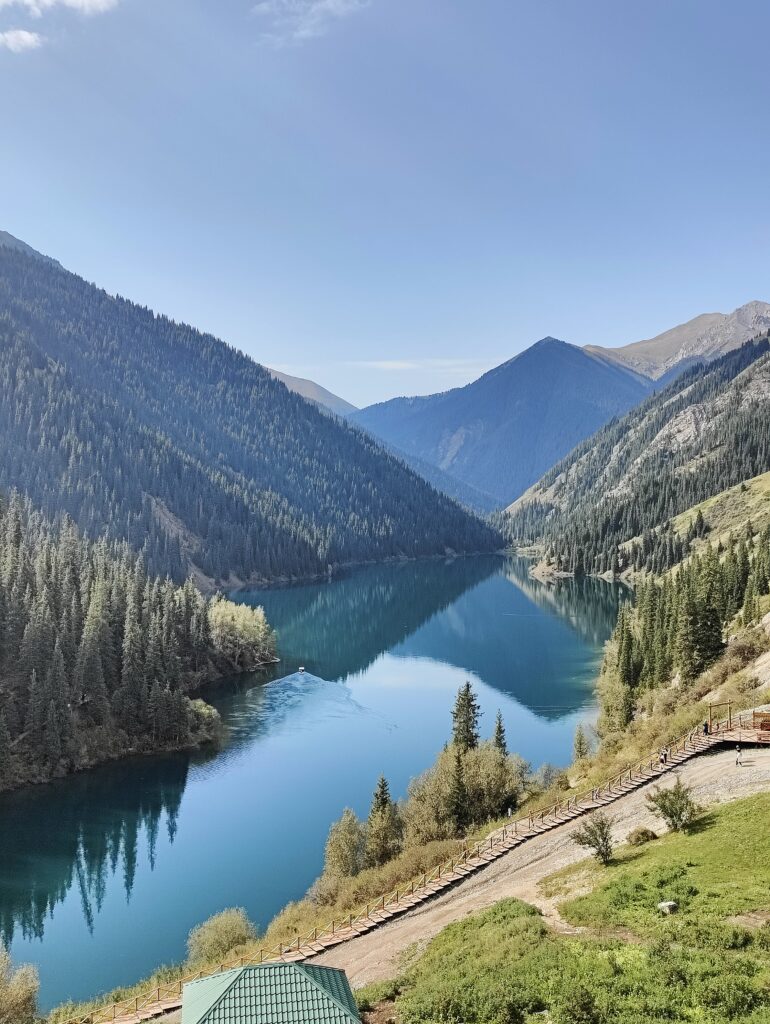
Kazakhstan is a land of dramatic contrasts, where endless steppes meet the sky-piercing peaks of the Trans-Ili Alatau. Among its many treasures, one destination stands out as a masterpiece of nature: The Kolsai Lakes. Often referred to as the “Blue Necklace of the Northern Tian Shan,” this cascade of three alpine lakes is a must-visit for anyone seeking pristine wilderness, turquoise waters, and authentic nomadic hospitality.
Whether you are an avid hiker, a landscape photographer, or a traveler looking for a peaceful escape from the city, Kolsai offers an experience that rivals the famous lakes of Switzerland or the Canadian Rockies. In this comprehensive guide, we explore everything you need to know for your 2026 expedition.
The Origin of the Wonder: A Geological Masterpiece
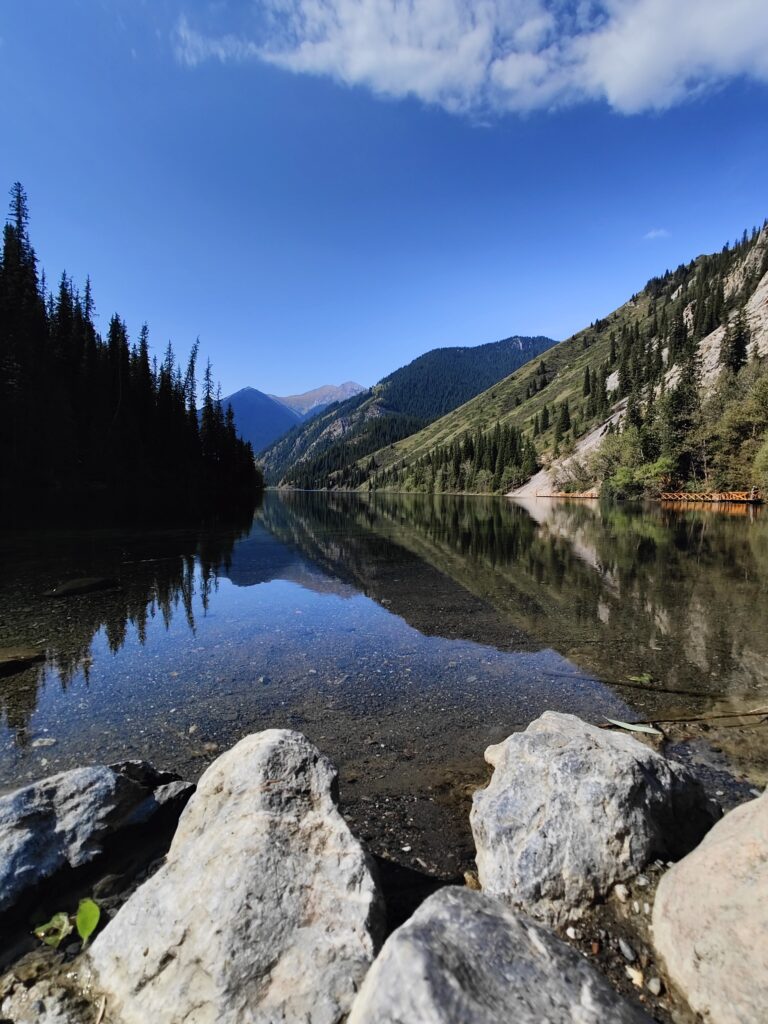
The Kolsai Lakes are tectonic in origin. They were formed by massive landslides triggered by earthquakes, which naturally dammed the Kolsai River in a narrow, forested gorge. This “young” geological history has left the lakes with steep, dramatic shorelines and water so clear it acts as a perfect mirror for the surrounding peaks.
The water temperature remains bracingly cold throughout the year, rarely exceeding $12°C (53°F). This prevents large-scale algae growth, preserving that signature crystalline transparency that draws thousands of visitors annually.
Exploring the Three Jewels: From Accessibility to Adventure
The Kolsai system is divided into three distinct levels, each offering a different atmosphere and level of difficulty.
1. Lower Kolsai (Kolsai-1)
- Elevation: 1,818 meters (5,965 ft)
- Accessibility: High (paved road access)
This is the most famous and frequented lake. Stretching roughly 1.5 kilometers, it is nestled at the bottom of a deep valley.
- What to do: Lower Kolsai is perfect for a relaxing day trip. You can rent a wooden boat or a catamaran to see the towering Schrenk’s spruces from the water. A well-maintained path circles part of the lake, offering numerous photo spots and benches.
- Infrastructure: This is the hub for tourism. You will find comfortable hotels, modern eco-toilets, and the park’s main visitor center here.
2. Middle Kolsai (Mynzhylky)
- Elevation: 2,252 meters (7,388 ft)
- Accessibility: Moderate (trekking or horseback only)
Widely considered the most beautiful of the three, Middle Kolsai is a massive, heart-shaped basin of turquoise water surrounded by alpine meadows.
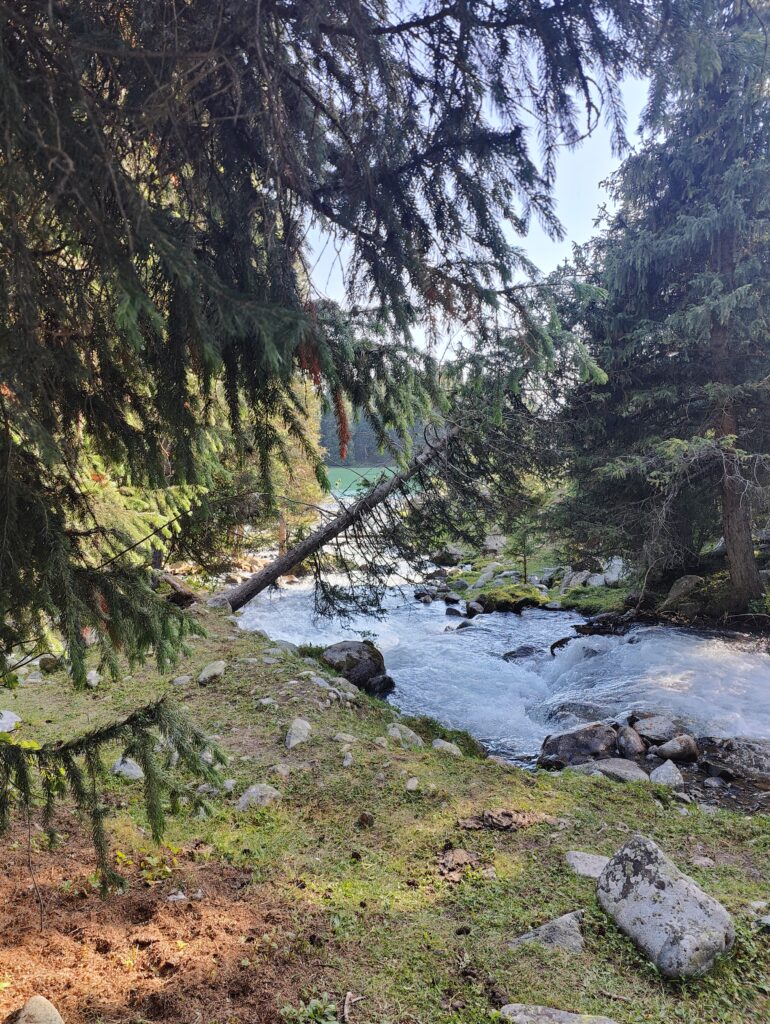
- The Trek: To reach it, you must navigate an 8-kilometer (5-mile) trail from the first lake. The path winds through dense coniferous forests and across mountain streams. It is a steady incline that takes roughly 3 to 4 hours one way.
- Expert Tip: For those who want the view without the leg workout, hiring a local guide with horses is highly recommended. It’s an authentic way to experience the terrain while supporting the local community in the nearby Saty village.
3. Upper Kolsai
- Elevation: ~2,850 meters (9,350 ft)
- Accessibility: Challenging
The highest lake is the smallest and wildest. Here, the forest gives way to the “alpine zone,” characterized by low-lying shrubs and jagged rock formations.
- The Vibe: It is a place of absolute silence. You won’t find crowds here—only the wind and perhaps the sight of a mountain goat on the ridges above.
- Border Regulations: Since the lake is close to the Kyrgyzstan border, always carry your original passport. It is common for border patrols to check documents in this area.
Why Kolsai Should Be Your 2026 Adventure Destination
1. Unrivaled Eco-Tourism
The Kolsai Kolderi National Park is a protected sanctuary. It is home to the endangered snow leopard (though they stay high in the peaks), Tian Shan brown bears, and Siberian ibex. The air is exceptionally pure, scented with the resin of ancient spruces.
2. A Hub for Active Exploration
From 4×4 off-road expeditions to multi-day trekking circuits, the region is a playground for active travelers. The surrounding Turkestan Range offers some of the best hiking trails in Central Asia, ranging from easy day walks to demanding high-altitude passes.
3. Cultural Immersion in Saty Village
The nearby village of Saty has become a model for community-based tourism. Staying in a local guesthouse isn’t just about a bed; it’s about sharing a meal of beshbarmak (a traditional meat and noodle dish) and homemade baursaks (fried dough) with a Kazakh family. It offers a rare window into the soul of Central Asian hospitality.
Logistics: Getting There and Staying There
How to Reach Kolsai from Almaty
The lakes are located approximately 300 kilometers (186 miles) east of Almaty.

- By Car: The drive takes about 4.5 to 5 hours. The road is fully paved and in excellent condition. However, if you plan to visit the nearby Kaindy Lake (famous for the sunken forest), a high-clearance 4×4 vehicle is essential, as the final stretch involves river crossings and rough gravel.
- Tours: Daily group tours depart from Almaty. For a more tailored experience, booking an English-speaking guide with a private vehicle allows for flexible stops at the Black Canyon and Charyn Gorge along the way.
Accommodation Options
- Luxury & Mid-Range: Eco-hotels and glamping sites near Lower Kolsai offer panoramic windows and en-suite bathrooms.
- Traditional: Guesthouses in Saty village provide a cozy, rustic experience with hot banya (saunas) and home-cooked meals.
- Adventure: Camping is permitted in designated zones for a small fee, allowing you to wake up to the sun hitting the turquoise water.
Practical Travel Tips & Gear Checklist
To ensure a smooth trip, keep these “Expert Insider” tips in mind:
- The Layering Rule: Even in July, mountain weather is unpredictable. You may start in a T-shirt and end the day in a fleece and rain jacket.
- Footwear: Wear broken-in trekking boots. The trails can be slippery after rain, and the roots of the spruce trees can be a tripping hazard.
- Sun Protection: At 2,000+ meters, the UV rays are intense. Use SPF 50+ and wear a wide-brimmed hat.
- Connectivity: While Saty has decent mobile signal, expect a total “digital detox” once you head toward the second and third lakes. Download offline maps (like 2GIS or Maps.me) beforehand.
- Best Time to Visit: * June – August: Best for hiking and greenery.
- September – Early October: Stunning golden autumn colors.
- Winter: A frozen wonderland, perfect for those who enjoy peace and ice-scapes.
Expanding the Journey: Beyond the Lakes
Kolsai is the gateway to the “Golden Triangle” of Almaty region. Most travelers combine their visit with:
- Lake Kaindy: The “sunken forest” where birch trees emerge from the water like ghostly masts.
- Charyn Canyon: Known as the “Valley of Castles,” featuring red sedimentary rock formations similar to the Grand Canyon.
- The Black Canyon: A dizzying viewpoint where the Charyn River cuts through dark, volcanic rock.
Conclusion
The Kolsai Lakes represent the very best of Kazakhstan: raw beauty, deep history, and warm hearts. In a world that is becoming increasingly crowded, Kolsai remains a sanctuary where you can truly reconnect with the earth.
Whether you are navigating the mountain passes in a 4×4 or sitting quietly by the shore of the Middle Lake, the “Blue Necklace” will leave an imprint on your soul.