
The Soul of the Nomad: 4 Main Symbols of Kyrgyzstan
To truly understand Central Asia, one must explore the defining Kyrgyzstan Symbols: the traditional Yurt (Boz-Ui), the elusive Snow Leopard, the historic Epic of Manas, and the unifying Tunduk.
Kyrgyzstan is a country where history is written not in books, but in felt patterns and mountain legends. For a traveler, knowing these four pillars is the key to unlocking the heart of the nation. Below, we reveal the meaning behind these unique cultural icons that attract thousands of tourists from around the world.
1. The Yurt (Boz-Ui): An Architectural Masterpiece of Nomads

If the mountains are the walls of the Kyrgyz world, the Yurt is its home. This is not merely a dwelling; it is a model of the nomad’s universe and the nation’s primary material heritage, included in the UNESCO Intangible Cultural Heritage list.
🔹 Verified Facts:
- Engineering without Nails: A genuine Kyrgyz yurt is assembled without a single nail. The frame consists of willow wood, held together by leather straps and woven wool bands.
- Thermoregulation: The felt covering (kiyiz) keeps the interior cool in the scorching summer and warm in the freezing winter. This makes the yurt the ideal dwelling for a harsh continental climate.
- Speed: An experienced family can assemble a yurt in just 1 hour.
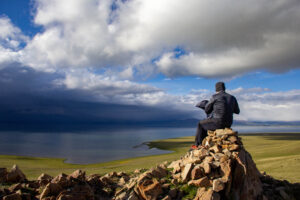
Tour Operator Tip: The best way to truly understand this symbol is to spend a night in an authentic yurt camp at Lake Son-Kul or at the base of Lenin Peak.
2. The Tunduk: Symbol of Unity and the Sun
Look at the national flag of Kyrgyzstan. In the center of the radiant sun disc, you will see the Tunduk. It is not just an abstract pattern, but the most crucial structural element of the yurt.
🔹 Deep Meaning:
- Window to the Sky: The Tunduk is the wooden circle at the apex of the yurt’s dome, through which smoke escapes and sunlight enters.
- Generational Bond: In ancient times, when a family moved, they might leave the yurt frame behind, but the Tunduk was always taken with them. It was passed down from father to son as the main family heirloom.
- Unity: The crossbars of the Tunduk (chagarak) symbolize the unity of all tribes and people living under one peaceful sky (under “one roof”).
3. The Snow Leopard (Irbis): Guardian of the Mountains
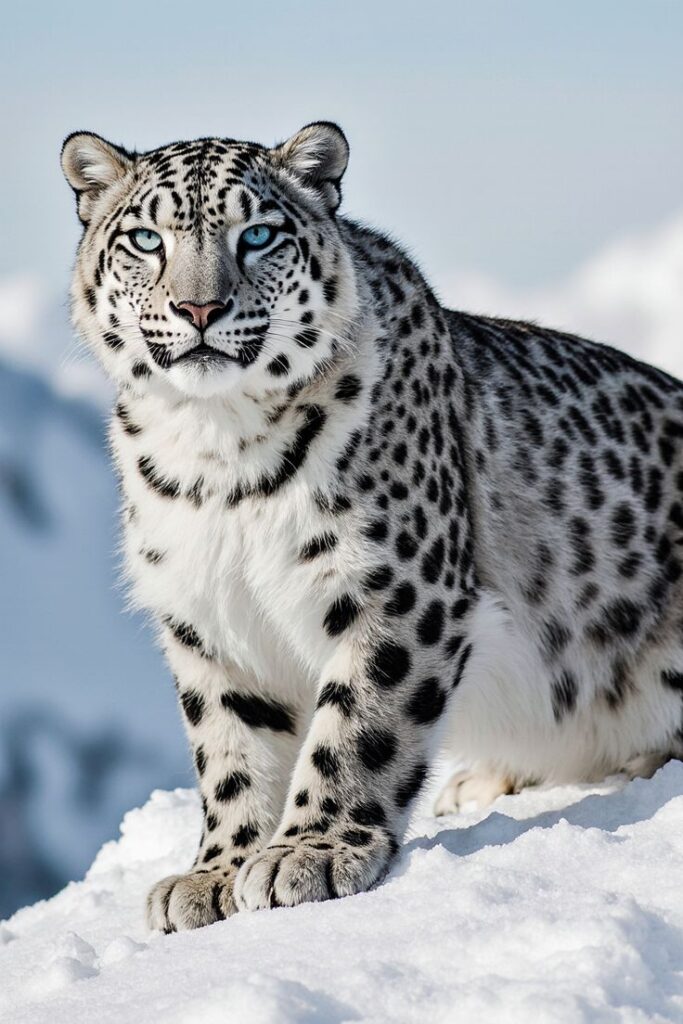
If the yurt is the symbol of the home, the Snow Leopard (Irbis) is the symbol of the wild, untamed nature of the Tian Shan. It is the totem animal of the Kyrgyz people and the primary indicator of the mountain ecosystem’s health.
🔹 Interesting Facts:
- Habitat Altitude: In Kyrgyzstan, the Snow Leopard lives at extreme altitudes (up to 4,500m), reigning where eternal glaciers lie.
- The Invisible Cat: Due to its unique camouflage and secretive lifestyle, it is called the “Ghost of the Mountains.” Seeing one in the wild is the greatest stroke of luck.
- Status: It is an endangered species protected by the state (Red Book). Bishkek is the headquarters of the Global Snow Leopard & Ecosystem Protection Program.
Tour Operator Tip: While seeing a leopard is rare, you can visit its natural habitat on trekking tours in Ala-Archa National Park or the Sarychat-Ertash Reserve, thereby supporting eco-tourism conservation efforts.
4. The Epic of Manas: The Spiritual Core of the People
The Kyrgyz say: “As long as Manas lives, the people live.” This is not just a book or a fairy tale; it is the longest epic poem in the world, listed in the Guinness Book of World Records.
🔹 Heritage Uniqueness:
- A Living Encyclopedia: The epic contains over 500,000 verses (it is 20 times longer than the Odyssey and Iliad combined!). It describes the history, geography, medicine, diplomacy, and code of honor of the Kyrgyz people.
- Manaschi: Storytellers of the epic (Manaschi) can recite it from memory for days, entering a special trance-like state. This is an incredible spectacle that can be witnessed at local ethno-festivals.
- Gumbez of Manas: In the Talas region, there stands a 14th-century mausoleum which legends identify as the final resting place of the great warrior Manas.
Traveler’s Summary
Kyrgyzstan is not just about beautiful landscapes. It is a country where people:
- Live in Yurts.
- Revere the Tunduk as a symbol of family.
- Protect the Snow Leopard.
- And remember the precepts of Manas.
Do you want to touch these living symbols in person? Book our signature ethno-tour and discover the true soul of Central Asia!