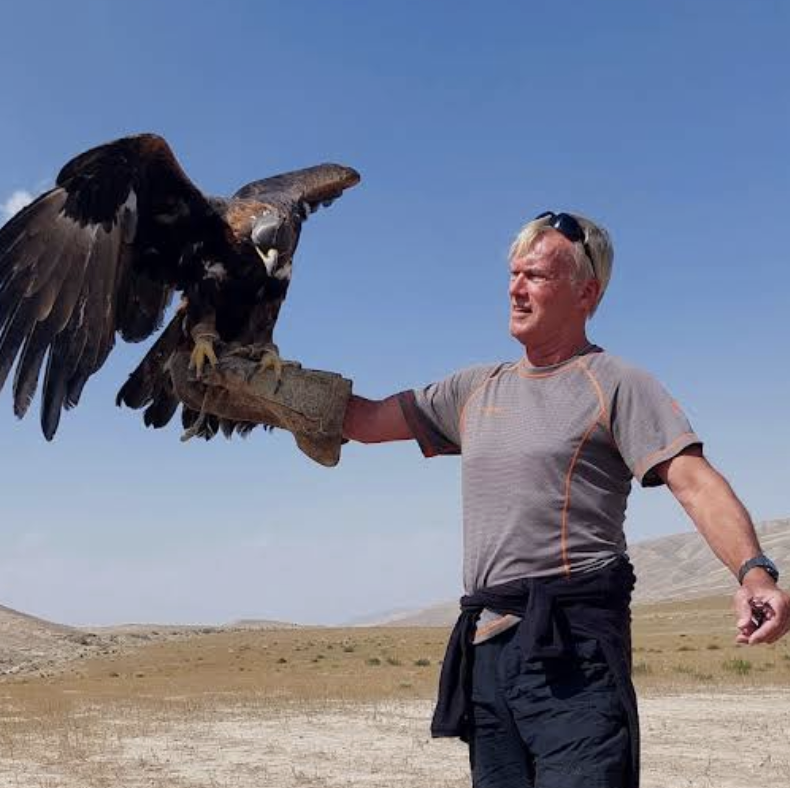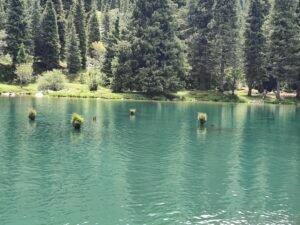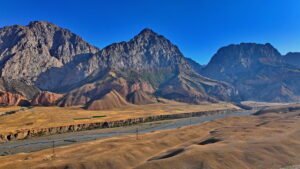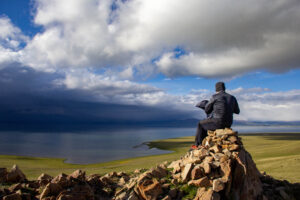

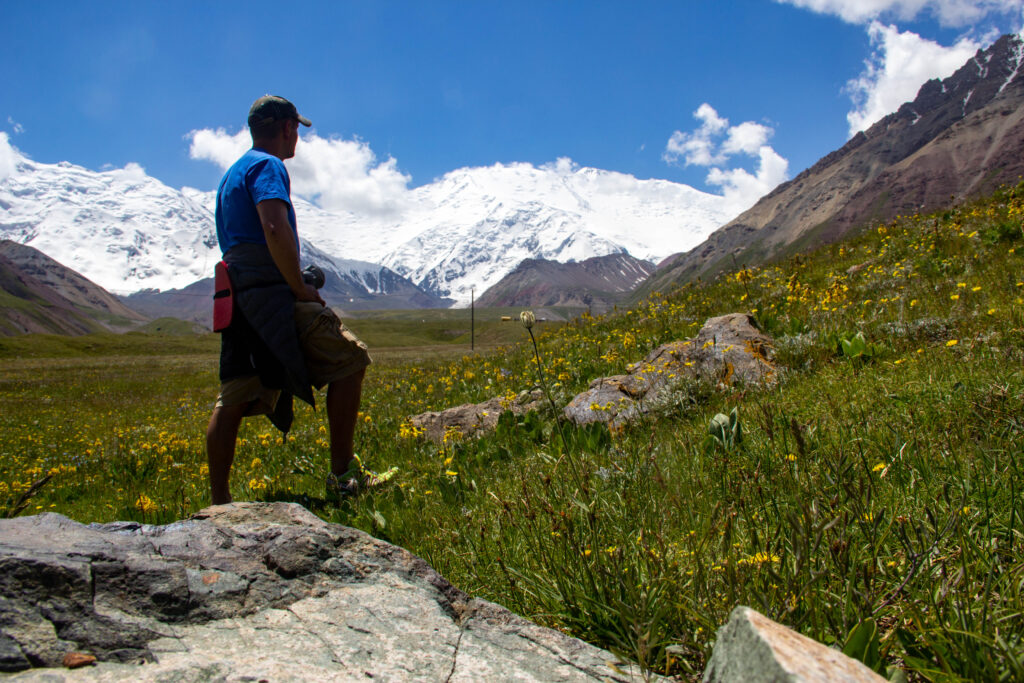
Kyrgyzstan is often called the “Switzerland of Central Asia,” but for those of us who live and breathe these trails, that comparison is just the beginning. With over 90% of the country covered by mountains—specifically the mighty Tian Shan and the rugged Pamir-Alay—this is a realm where nature still dictates the rules of the road.
As a professional tour organizer and 4×4 expedition experts, We’ve seen these peaks transform lives. Whether you’re here for a rugged trek or a high-altitude overland journey, here is everything you need to know to navigate the “Celestial Mountains.”
1. When to Go: Timing Your Ascent
The window for high-altitude travel in Kyrgyzstan is shorter than you might think.
- June to September: The golden window. Most mountain passes (above 3,000m) are snow-free. This is the only time to visit high-altitude lakes like Kel-Suu or Son-Kul.
- July & August: Peak season for trekking in the Karakol region and the Turkestan Range.
- Shoulder Season (May & October): Great for the lowlands and the canyons of the south, but high passes may still be blocked by snow.
2. Essential Planning: Logistics and Gear
The 4×4 Advantage
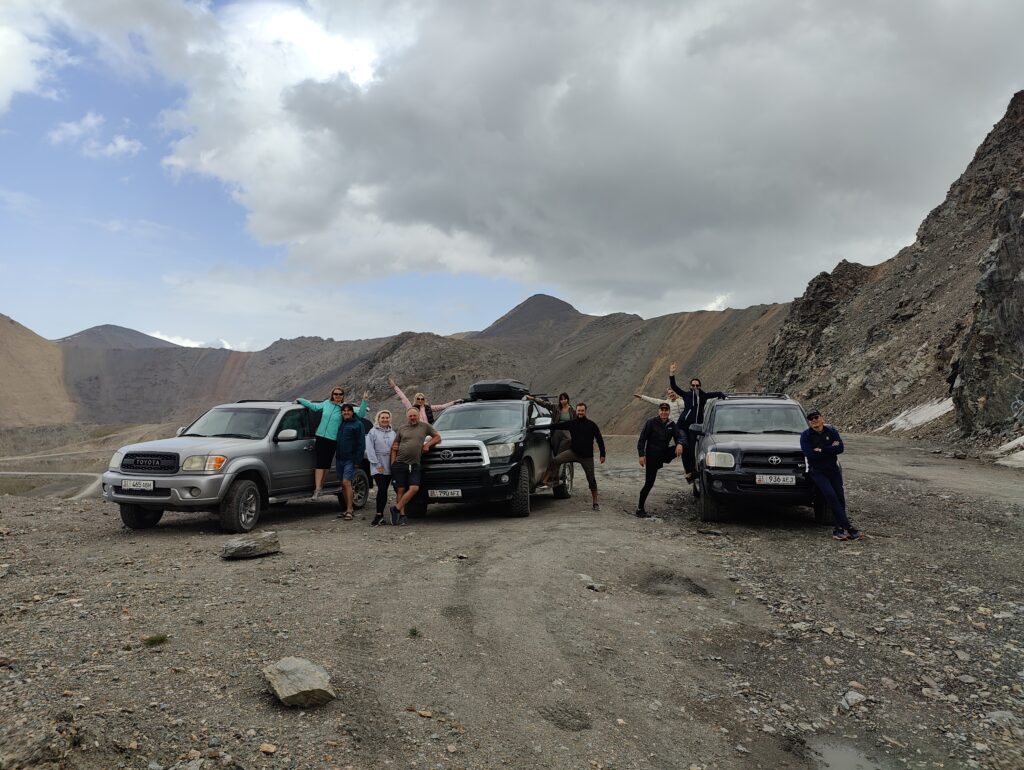
Kyrgyzstan’s best spots aren’t reached by asphalt. To truly see the country, you need a capable 4×4 vehicle (like a Toyota Sequoia or Land Cruiser) and, ideally, an experienced driver. Many mountain roads are former Soviet military tracks—expect river crossings, steep gradients, and loose shale.
The “Nomadic” Packing List
- Layering is King: Even in August, temperatures at night can drop to freezing (0°C).
- Sun Protection: At 3,000m+, the UV index is extreme. High-quality SPF 50 and polarized sunglasses are non-negotiable.
- Offline Maps: Do not rely on cellular data. Download Maps.me or Gaia GPS with offline topographic layers.
3. Must-Visit Alpine Locations
The Turkestan Range: “Asian Patagonia”
If you want to escape the crowds, head to the south. The Turkestan Range offers vertical granite walls that rival the peaks of South America.
- Why visit: Massive 1,000-meter rock walls, ancient juniper forests, and zero “mass tourism.”
- Pro Tip: Plan for a 10–12 day trekking expedition to truly immerse yourself in the Ak-Say and Karavshin valleys.
Son-Kul Lake: The Heart of Nomadic Life

At 3,016 meters, this alpine lake is surrounded by lush summer pastures (jailoos).
- The Experience: Stay in a traditional felt yurt, drink kymyz (fermented mare’s milk), and watch the sunset over the water. It is the best place to witness traditional horse games like Kok-Boru.
Kel-Suu: The Hidden Turquoise Canyon
Located near the Chinese border, this lake is tucked inside a narrow limestone canyon.
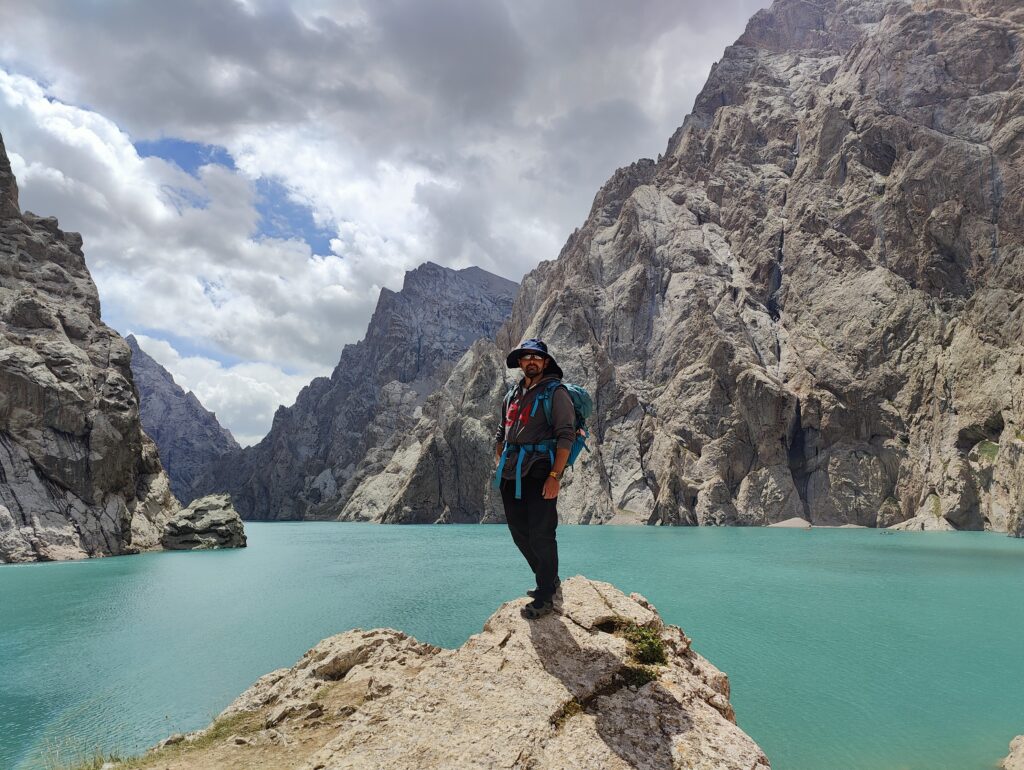
- The Challenge: Getting here requires a serious 4×4 and a border permit (apply at least 3 weeks in advance). The lake is temperamental—it can “disappear” overnight due to underground caverns, but when full, it is the most striking sight in Central Asia.
Ala-Archa National Park
For those short on time, this park is just 40km from Bishkek.
- The Route: Hike up to the Ak-Sai Glacier or the Ratsek Cabin. It’s a steep climb but offers a perfect introduction to the jagged peaks of the Kyrgyz Range.
4. Nomadic Etiquette: Respecting the High Pastures
Traveling in our mountains means interacting with local shepherds. Here are three rules for a respectful visit:
- The Greeting: A simple “Salam Aleikum” goes a long way.
- Bread is Sacred: If you are invited into a yurt for tea, you will be served bread (nan). Never place it face down on the table.
- Leave No Trace: Our ecosystems are fragile. Carry out all trash, including organic waste, which decomposes slowly at high altitudes.
5. Expert Safety Advice
Altitude Sickness: Most travelers fly into Bishkek (800m) and want to hit 3,000m the next day. Don’t. Spend 2 nights at an intermediate altitude to acclimatize.
- Travel Insurance: Ensure your policy covers Emergency Heli-Evacuation up to 5,000 meters. Many standard policies exclude this.
Final Word from the Guide
Kyrgyzstan isn’t a “luxury” destination in the traditional sense. The luxury here is the silence, the vastness, and the freedom to roam. Whether you are driving a 4×4 through a glacial river or waking up in a yurt to the sound of grazing horses, these mountains will change your perspective on what “travel” really means.
Ready to explore the Celestial Mountains? Contact us for a custom-tailored 4×4 expedition or a deep-country trekking itinerary. Let’s write your screenplay-worthy adventure together.