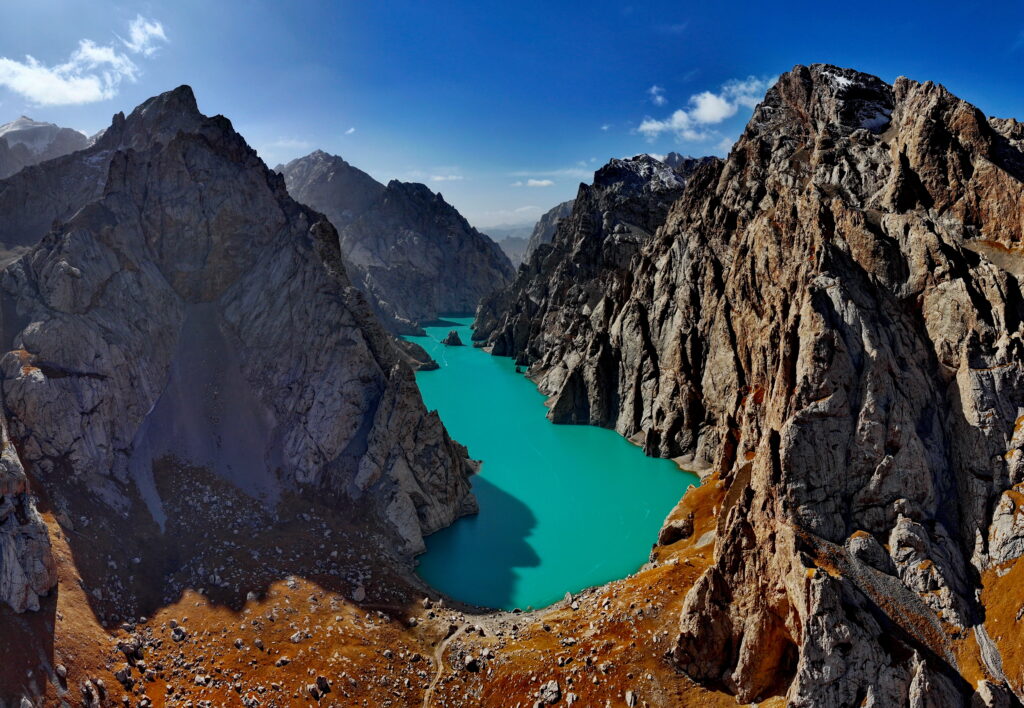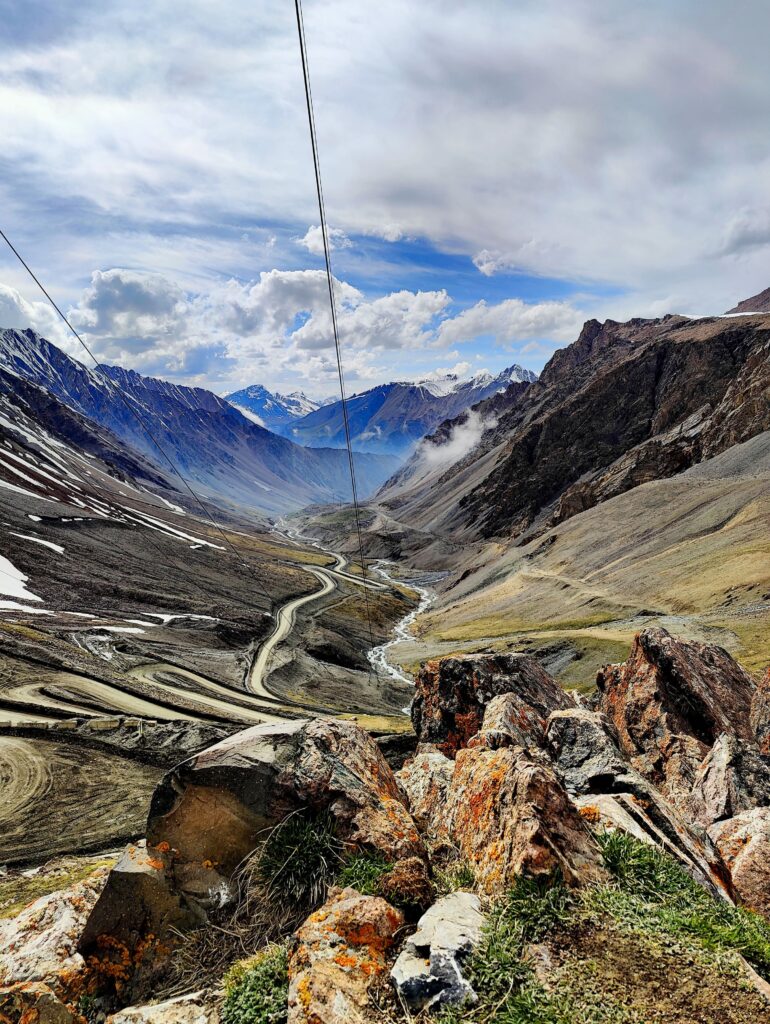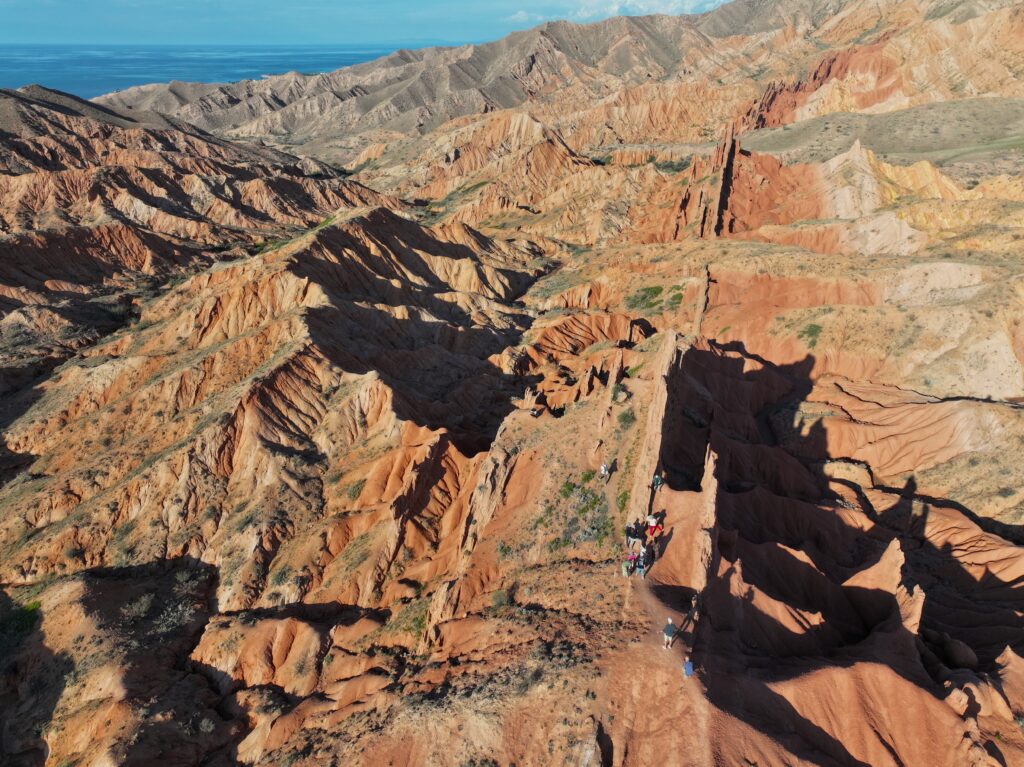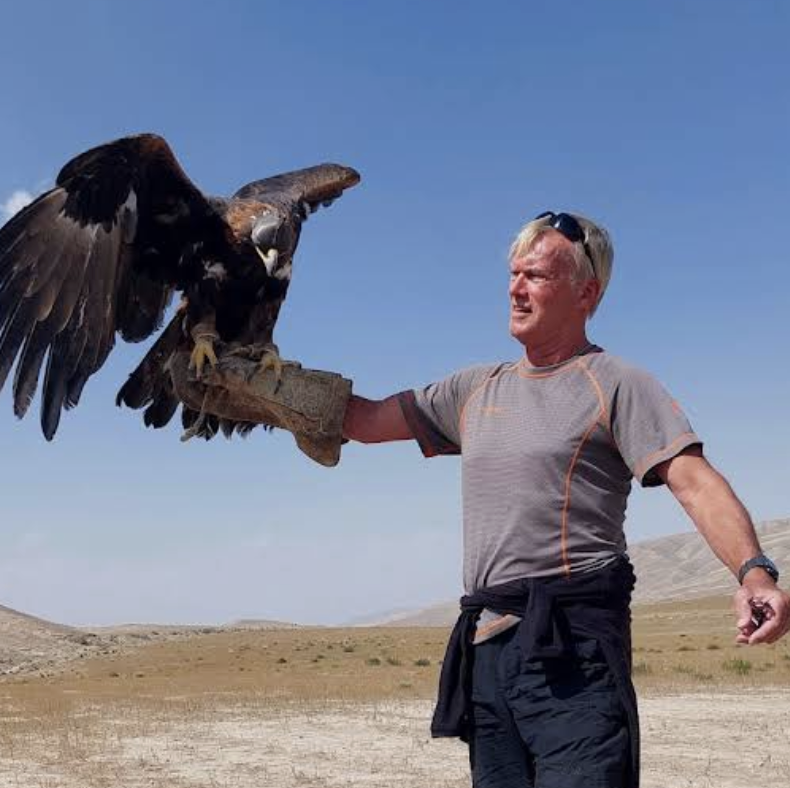

Glacial Lakes • High Mountain Tundra • Barskoon Gorge • Tien Shan Scenery

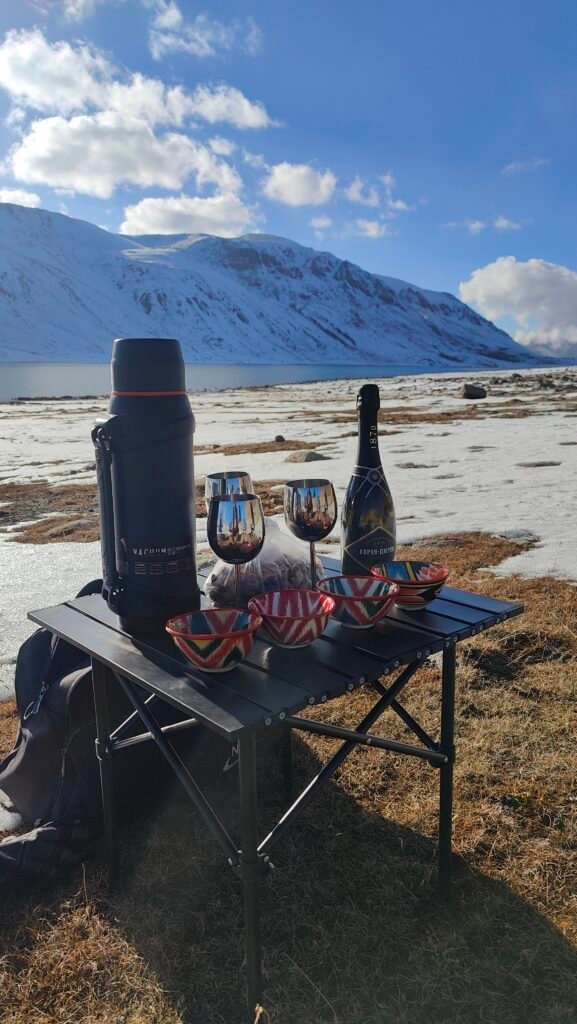
At around 3,800 metres above sea level, the Arabel Plateau feels like a completely different Kyrgyzstan.
Only a few hours after leaving the green shores of Issyk-Kul, the road climbs through Barskoon Gorge, passes waterfalls and mountain forests, and eventually opens onto a vast high-altitude landscape of open valleys, glacial streams, wetlands and small mountain lakes.
Trees disappear. The horizon becomes wider. Snow-covered peaks remain visible even when the lower valleys are already green.
For travelers exploring southern Issyk-Kul, Arabel is one of the most dramatic high-mountain landscapes that can be reached by road.
Arabel Plateau at a Glance
Region: Southern Issyk-Kul, Kyrgyzstan
Altitude: Around 3,800 m
Mountain System: Terskey Ala-Too, Tien Shan
Main Access: Through Barskoon Gorge
Landscape: High-altitude syrt, glacial terrain, lakes, streams and open mountain valleys
Best For: Scenic road trips, photography, mountain landscapes and 4×4 adventures
Visit Style: Usually combined with Barskoon Gorge and the southern shore of Issyk-Kul
Nearest Major Destinations: Barskoon, Bokonbaevo, Karakol and Issyk-Kul
Why Visit the Arabel Plateau?
Arabel is not a destination built around monuments, restaurants or developed tourist infrastructure.
The landscape itself is the experience.
The journey takes you from the relatively warm environment of Issyk-Kul into a much harsher alpine world within a surprisingly short distance.
What makes Arabel especially memorable is the contrast:
Issyk-Kul shoreline → Barskoon forest → waterfalls → mountain switchbacks → open high-altitude plateau.
Few places around Issyk-Kul demonstrate the vertical scale of the Tien Shan so clearly.
A High-Altitude Syrt of the Tien Shan
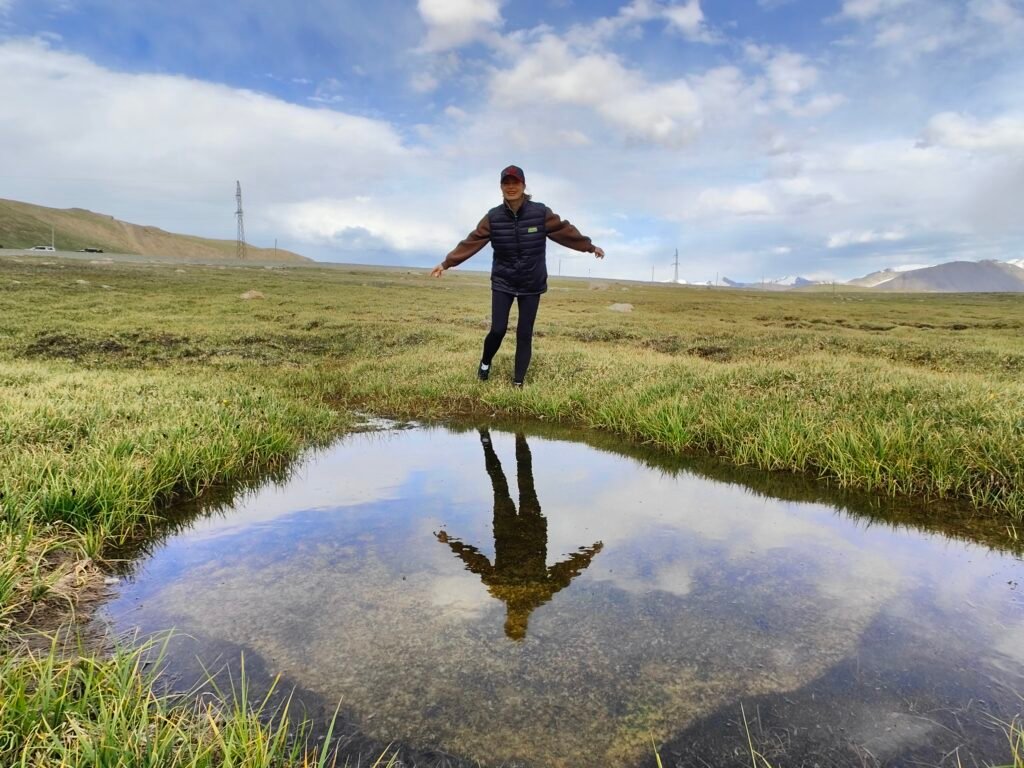
Arabel is part of the high-mountain landscapes locally known as syrts — broad elevated valleys and plateaus surrounded by mountain ranges.
At roughly 3,800 metres, the environment is very different from the greener gorges below.
The plateau is characterized by:
- wide open terrain;
- sparse alpine vegetation;
- glacial streams;
- wetlands;
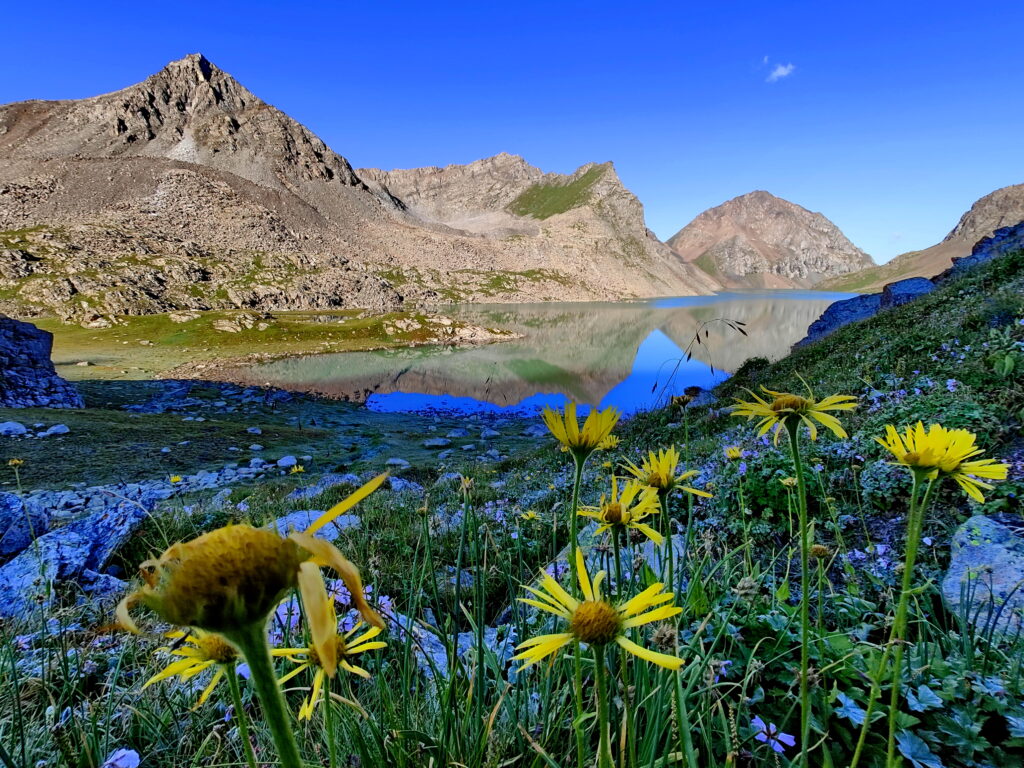
- small mountain lakes;
- moraine and glacial landforms;
- surrounding snow-covered peaks.
The absence of forests makes the landscape appear almost Arctic in places.
Rather than dramatic vertical cliffs, Arabel impresses through scale, distance and a sense of isolation.
The Road through Barskoon Gorge
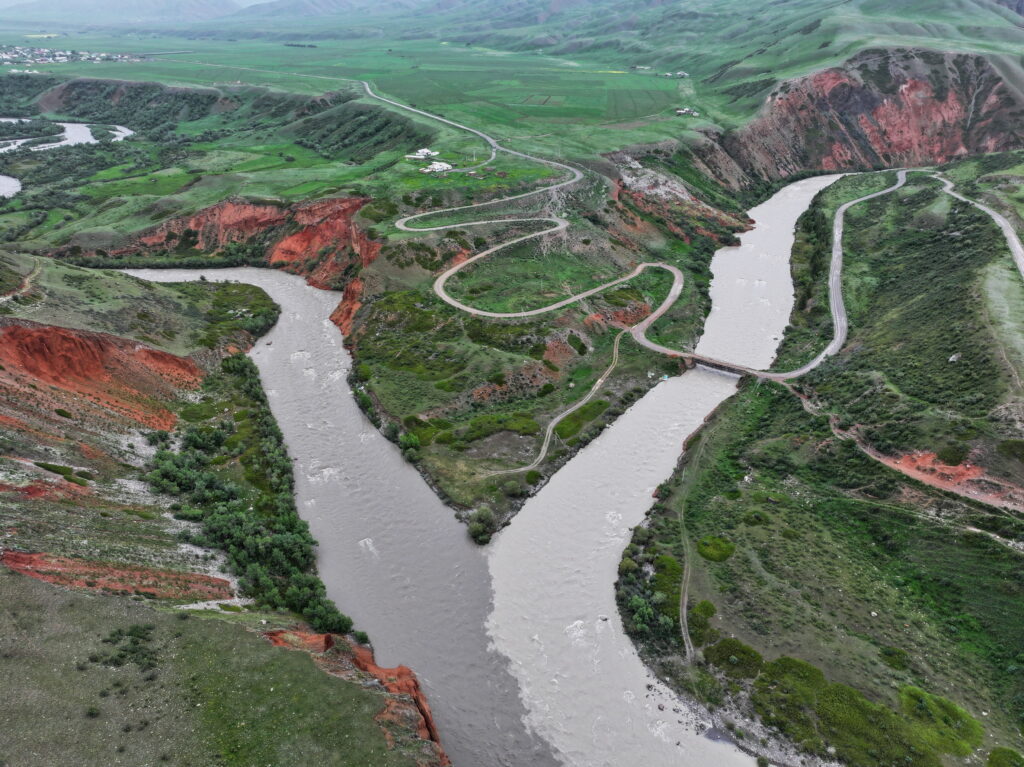
For most travelers, Barskoon Gorge is the gateway to Arabel.
The journey begins near the southern shore of Issyk-Kul and follows the gorge deeper into the Tien Shan.
The lower section is greener, with spruce forest, river scenery and several waterfalls.
As the road climbs higher, vegetation gradually disappears and the surroundings become increasingly open and severe.
Eventually, the route emerges onto the Arabel highlands.
This transition is one of the reasons we recommend experiencing Barskoon and Arabel together rather than treating them as two unrelated stops.
Barskoon Waterfalls
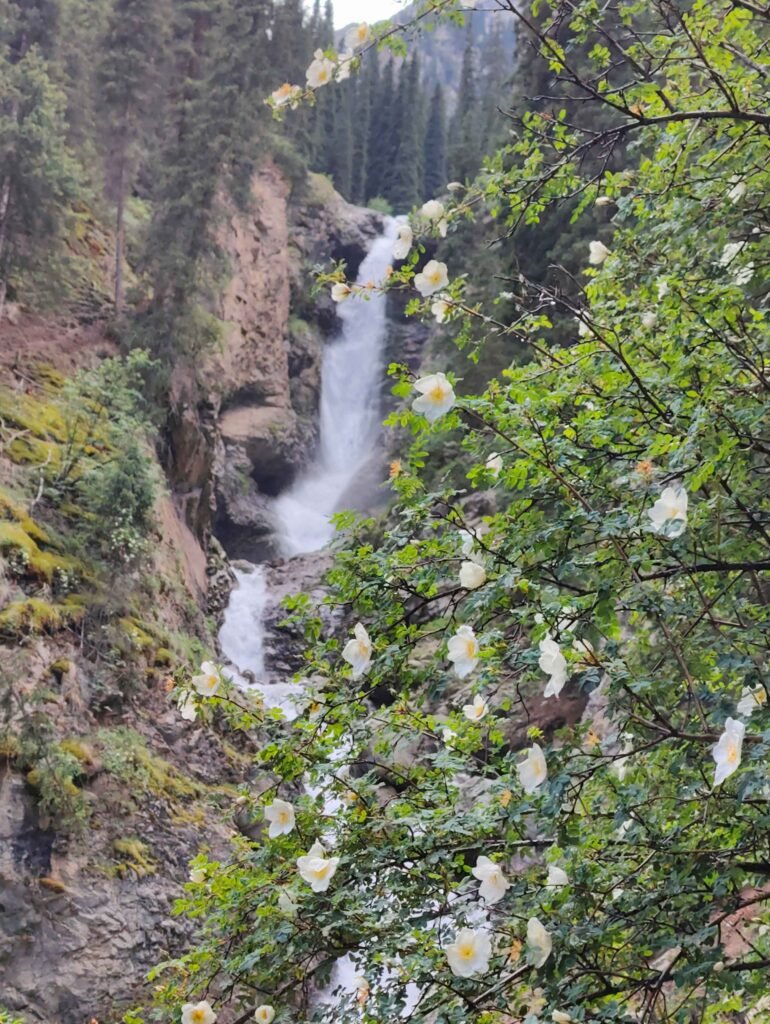
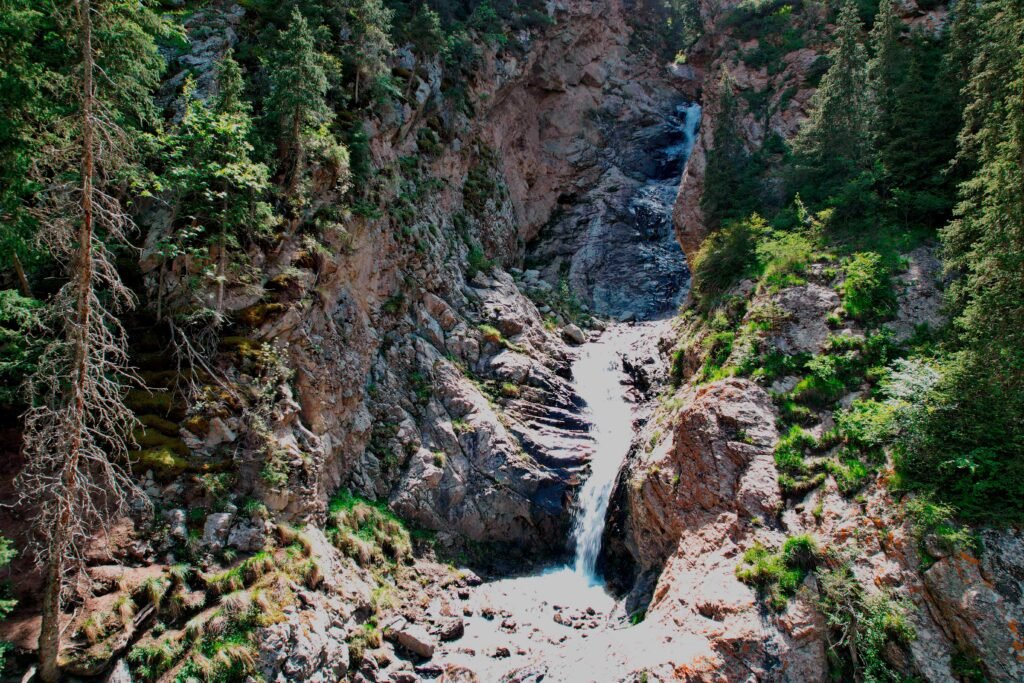
The waterfalls of Barskoon make a natural stop before or after the drive toward the plateau.
Depending on your itinerary and available time, short walks can be included in the gorge before continuing higher into the mountains.
This creates a particularly interesting day:
Issyk-Kul → Barskoon Gorge → waterfalls → Arabel Plateau → return to the southern shore.
Within a single route, travelers experience several completely different altitude zones.
Glacial Lakes and Mountain Water
Water is one of the defining features of Arabel.
The plateau contains numerous small lakes, streams and wetland areas fed by snow and ice from the surrounding high mountains.
On calm days, these lakes can reflect the surrounding peaks and wide skies, creating some of the most unusual photographic landscapes in the Issyk-Kul region.
Their size and appearance vary depending on snowmelt, rainfall and season.
For this reason, Arabel should be experienced as a high-mountain landscape as a whole, rather than as a trip to one specific lake.
What Does Arabel Feel Like?
One of the most striking things about Arabel is the silence.
There are no forests to block the horizon and very little permanent settlement.
Cloud shadows move across the plateau, streams cross the open landscape and distant peaks dominate the skyline.
Weather can also change the character of the plateau quickly.
Sunshine can make the lakes intensely blue, while fog, wind or low clouds can transform the same area into a much more dramatic environment.
For photographers, this unpredictability is part of the appeal.
How High Is the Arabel Plateau?
The main Arabel landscape visited on southern Issyk-Kul routes lies at approximately 3,800 metres above sea level.
Some surrounding roads and high-mountain areas reach still higher elevations.
Because visitors can gain a large amount of altitude relatively quickly when driving up from Issyk-Kul, the elevation should not be underestimated.
Some people may experience headache, dizziness, shortness of breath or other symptoms at this height.
The best approach is to move slowly, drink water and avoid unnecessary intense physical effort immediately after arriving.
Anyone feeling significantly unwell should descend to a lower altitude.
How to Get to Arabel Plateau
The most practical road approach is through Barskoon Gorge from the southern side of Issyk-Kul.
The road continues upward toward the high-mountain areas associated with the Kumtor route.
Although this is an established mountain road, conditions can change because of weather, snow, water and road maintenance.
For tourism, we recommend using an appropriate high-clearance vehicle and a driver familiar with mountain roads.
Arabel should not be treated like an ordinary paved sightseeing excursion.
Can You Visit Arabel on a Day Trip?
Yes.
Arabel works particularly well as a day excursion from the southern Issyk-Kul area.
A typical combination might include:
Bokonbaevo → Skazka Canyon → Barskoon Gorge → Barskoon Waterfalls → Arabel Plateau
or, from the eastern side:
Karakol → southern Issyk-Kul → Barskoon Gorge → Arabel Plateau
The exact program depends on where you are staying and how much time you want to spend in the mountains.
From Bishkek, Arabel can technically be included in a very long day, but it is much more comfortable as part of a multi-day Issyk-Kul itinerary.
Best Time to Visit Arabel
High-altitude access is strongly dependent on current mountain conditions.
Summer
Summer generally provides the most practical conditions for visiting the plateau.
Even then, temperatures can be cold and weather may change rapidly.
Early Autumn
Clear days and autumn colors in the lower Barskoon Gorge can make this an attractive period, but colder weather becomes increasingly likely at altitude.
Spring and Winter
Snow and road conditions can significantly affect access.
We do not recommend planning an Arabel visit solely by calendar date.
Current road and weather conditions should always be checked before departure.
What to Bring
Even if the weather beside Issyk-Kul feels warm, conditions on Arabel may be completely different.
Bring:
- warm insulating layer;
- windproof or waterproof jacket;
- comfortable shoes;
- hat or warm cap;
- sunglasses;
- sunscreen;
- drinking water;
- snacks or picnic lunch;
- personal medication;
- power bank.
There is very limited tourist infrastructure once you reach the high mountains, so it is better to carry what you need for the day.
Arabel or Barskoon?
There is no real reason to choose between them.
The two destinations work best together.
Barskoon Gorge provides forest, river scenery and waterfalls.
Arabel Plateau provides open high-altitude terrain, glacial landscapes and a completely different climate.
Combining them creates one of the strongest landscape contrasts on the southern shore of Issyk-Kul.
Arabel and Kumtor
The road through Barskoon continues into the high-altitude region associated with the Kumtor mining area.
For a normal sightseeing trip, however, the purpose is not to visit the mine.
The attraction is the journey through Barskoon and into the surrounding high-mountain Arabel landscapes.
Access restrictions and road conditions farther into the high mountains can change, so routes should always follow current local conditions and permitted access.
Who Is Arabel For?
Arabel is especially suitable for travelers who enjoy:
- dramatic mountain landscapes;
- scenic road trips;
- photography;
- remote locations;
- geology and glacial scenery;
- 4×4 travel;
- unusual environments far from conventional sightseeing.
It can also work well for travelers who do not want to undertake a multi-day trek but still want to experience the high Tien Shan above 3,500 metres.
Is Arabel Plateau Worth Visiting?
If you are already traveling along southern Issyk-Kul, yes.
The destination adds something completely different to an Issyk-Kul itinerary.
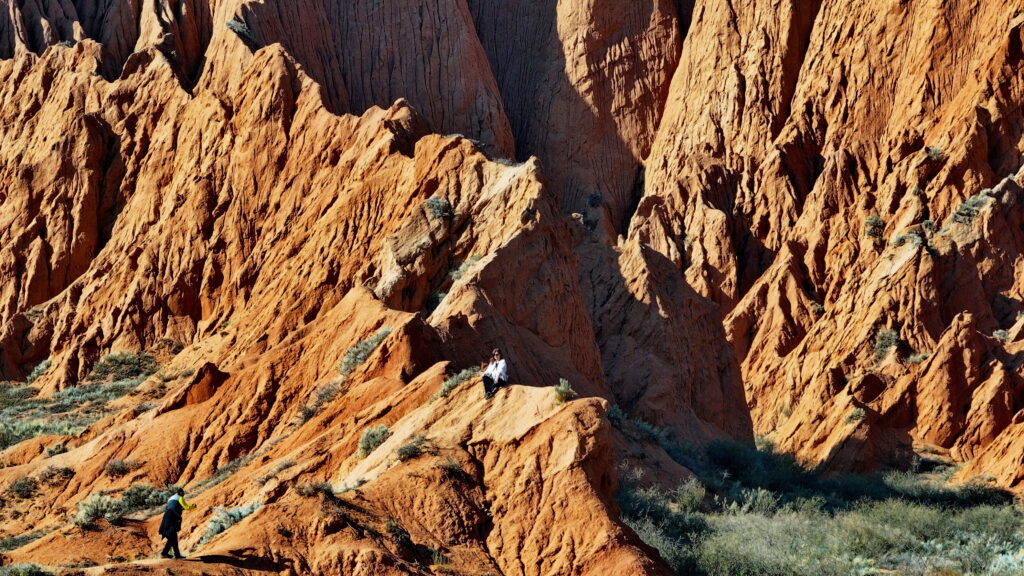
Skazka gives you dry sandstone canyons.
Barskoon gives you forests and waterfalls.
Arabel takes you above the treeline into a landscape that feels almost Arctic.
Experiencing all three in one journey shows how dramatically Kyrgyzstan can change within a relatively small geographical area.
Frequently Asked Questions
Where is Arabel Plateau?
Arabel is located in the high mountains south of Lake Issyk-Kul, reached most commonly through Barskoon Gorge.
What is the altitude of Arabel Plateau?
The main plateau area visited by travelers lies at approximately 3,800 metres above sea level.
Can you drive to Arabel?
Yes, the main route approaches the plateau through Barskoon Gorge. A suitable high-clearance vehicle is recommended for tourist visits.
Do I need a 4×4?
Road conditions vary. For a reliable sightseeing trip, we recommend suitable mountain transport rather than an ordinary low-clearance passenger car.
Can I combine Barskoon and Arabel?
Yes. In fact, this is one of the best ways to experience the destination.
Can I visit Arabel from Karakol?
Yes. Arabel can be included in a southern Issyk-Kul journey from Karakol.
Can I visit from Bokonbaevo?
Yes. Bokonbaevo is also a practical base for combining Arabel with Skazka Canyon and other southern Issyk-Kul attractions.
Is Arabel suitable for hiking?
Short walks are possible when conditions allow, but visitors should remember that the plateau is already at very high altitude. It is primarily a scenic high-mountain destination rather than a conventional low-altitude hiking area.
Explore Arabel with Casting Travel
Arabel can be included in a private journey along southern Issyk-Kul, usually together with Barskoon Gorge, the waterfalls and other landscapes of the region.
Explore Southern Issyk-Kul
Combine Skazka Canyon, Barskoon Gorge, Arabel Plateau, Bokonbaevo and the southern shore of Issyk-Kul in one private itinerary.
Looking for a Short Adventure?
Arabel is included in selected shorter tours combining the canyons and mountain landscapes of southern Issyk-Kul.
Planning a Longer Kyrgyzstan Journey?
We can include Arabel as part of a private route connecting Bishkek, Issyk-Kul, Karakol and the high Tien Shan.